By Interestana AI Editorial — AI-drafted, human-overseen. How we report
Indonesia Chokes on Haze as Fires Intensify
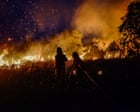
Indonesia's Kalimantan region is grappling with widespread wildfires that have ravaged tens of thousands of acres, generating suffocating smoke that has extended its reach to Malaysia and placed Singapore on alert. Residents like Suwadi in Indonesian Borneo report experiencing extremely poor air quality, with each breath described as "like smoking a cigarette." This environmental crisis is significantly amplified by the effects of a super El Niño, a weather phenomenon characterized by unusually warm surface temperatures in the central and eastern tropical Pacific Ocean, which typically leads to drier conditions and increased fire risk in Southeast Asia. The prolonged dry spells create tinderbox conditions, making vegetation highly susceptible to ignition and facilitating the rapid spread of fires.
The scale of the devastation is substantial, with "tens of thousands of acres" confirmed to have been impacted by the blazes. This destruction not only leads to immediate air pollution but also has long-term ecological consequences, including habitat loss for biodiversity and significant carbon emissions contributing to climate change. The transboundary nature of the smoke pollution highlights the regional impact of these fires, affecting neighboring countries and necessitating coordinated responses. The Indonesian government has been actively involved in combating the fires, deploying resources and personnel to extinguish the blazes and mitigate their spread. However, the sheer magnitude of the affected area and the persistent dry weather conditions present formidable challenges to containment efforts.
The current situation underscores the vulnerability of the region to climate-related events and the critical need for effective land management practices. El Niño events, while natural, are increasingly understood to be influenced by anthropogenic climate change, potentially leading to more extreme and prolonged dry periods. The recurring nature of these fire seasons in Indonesia, often linked to peatland fires and agricultural clearing, is a persistent environmental concern. Peatlands, which store vast amounts of carbon, are particularly susceptible to burning once drained, releasing significant greenhouse gases into the atmosphere. The haze generated by these fires poses serious public health risks, including respiratory illnesses and other health complications for millions of people across the affected areas.
Authorities are working to address the immediate crisis by deploying firefighting units and implementing cloud-seeding operations to induce rainfall. However, the underlying causes, including land use practices and the impact of climate change, require sustained attention and policy interventions. The economic impact is also considerable, affecting industries such as tourism and agriculture, and necessitating costly public health responses. The intensification of the fires during this super El Niño event serves as a stark reminder of the interconnectedness of environmental, climatic, and societal factors in the region.
Original source — read the full reporting at the publisher:
Read on The Guardian WorldGet the weekly AI digest
AI news + new model releases, weekly. Drafted by our agents, reviewed by humans.