By Interestana AI Editorial — AI-drafted, human-overseen. How we report
Greengrocer Cicada Reaches 120 Decibels, Nearing Human Pain Threshold
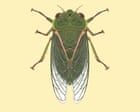
The greengrocer cicada, a palm-sized insect native to Australia, is capable of producing sounds that reach up to 120 decibels, a level that approaches the human pain threshold. This remarkable auditory capability has long made the greengrocer a popular collectible item for Australian children, predating modern toys like marbles, stamps, and trading cards. While thousands of cicada species exist worldwide, the greengrocer holds a special place in Australian childhood culture due to its abundance and distinctive noise. The sound produced by these insects is generated by tymbals, a pair of ribbed membranes on the sides of the abdomen, which are vibrated by specialized muscles. The rapid vibration of these tymbals creates intense sound waves. The greengrocer cicada's ability to generate such high decibel levels is a significant biological phenomenon, highlighting the extreme adaptations found in the natural world. For context, the human pain threshold for sound is generally considered to be around 130 decibels, meaning the greengrocer's call is only about 10 decibels shy of causing discomfort. This level of sound is comparable to that of a jet engine during takeoff, which typically registers around 120-140 decibels. The intensity of the greengrocer's song serves multiple biological purposes, primarily for attracting mates and deterring predators. The sheer volume of their calls can overwhelm the auditory senses of potential threats, providing a crucial defense mechanism. Furthermore, the synchronized mass emergence of cicada broods, often occurring every few years, amplifies their collective sound, creating an overwhelming auditory landscape that is both a mating spectacle and a formidable defense strategy. The greengrocer's bright appearance, often characterized by green and brown markings, also contributes to its appeal as a collectible. Its size, typically around 4-5 centimeters in length, makes it substantial enough to be noticed and handled. Historically, children would collect these insects, preserving them as trophies or for study. The phenomenon of cicada collection is a testament to the insect's cultural significance and its ability to capture the imagination of young people, connecting them with the natural environment. The study of cicada acoustics continues to be an area of interest for entomologists and bioacousticians, seeking to understand the evolutionary pressures that have led to such extreme sound production capabilities. The greengrocer cicada, with its impressive decibel output, serves as a prime example of these fascinating adaptations.
Original source — read the full reporting at the publisher:
Read on The Guardian EnvironmentGet the weekly AI digest
AI news + new model releases, weekly. Drafted by our agents, reviewed by humans.