By Interestana AI Editorial — AI-drafted, human-overseen. How we report
Lewes Derailment Linked to Track Defect on Hottest Day
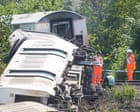
A passenger train derailed near Lewes, East Sussex, on August 13, 2026, injuring 30 people, with an interim report by the Rail Accident Investigation Branch (RAIB) identifying a track defect as a contributing factor. CCTV images captured prior to the incident revealed a "track geometry irregularity" on the approach to the derailment site. This occurred on the hottest day of the year recorded so far, suggesting a potential link between extreme heat and track integrity issues. Network Rail and Southern owner GTR have issued apologies following the findings of the RAIB's preliminary investigation. The RAIB's interim report, published on the UK government's website, details the initial findings of the investigation into the derailment of the passenger train. The incident led to the closure of several rail routes in the vicinity of Lewes, impacting passenger services and requiring extensive recovery and repair operations. The RAIB is continuing its investigation to determine the full sequence of events and the underlying causes of the derailment. This includes a detailed examination of the track infrastructure, rolling stock, and operational procedures in place at the time of the incident. The findings of the final RAIB report are expected to provide further insights and recommendations to prevent similar occurrences in the future. The derailment has prompted renewed attention to the maintenance and resilience of railway infrastructure, particularly in the context of increasingly extreme weather conditions attributed to climate change. Railway operators are under pressure to ensure their networks can withstand such environmental challenges. The incident near Lewes serves as a stark reminder of the critical importance of robust track inspection and maintenance regimes, especially during periods of high temperatures. The investigation will likely scrutinize the effectiveness of current monitoring systems and the protocols for addressing identified defects under adverse weather conditions. The economic and social impact of such derailments, including service disruptions and the cost of repairs, underscores the need for proactive measures in railway asset management. The RAIB's ongoing work aims to provide a comprehensive understanding of the factors that led to this derailment and to offer actionable advice for enhancing railway safety across the network.
Original source — read the full reporting at the publisher:
Read on The Guardian WorldGet the weekly AI digest
AI news + new model releases, weekly. Drafted by our agents, reviewed by humans.