By Interestana AI Editorial — AI-drafted, human-overseen. How we report
Lethal Injections Face Growing Scrutiny Amidst Drug Shortages and Execution Failures
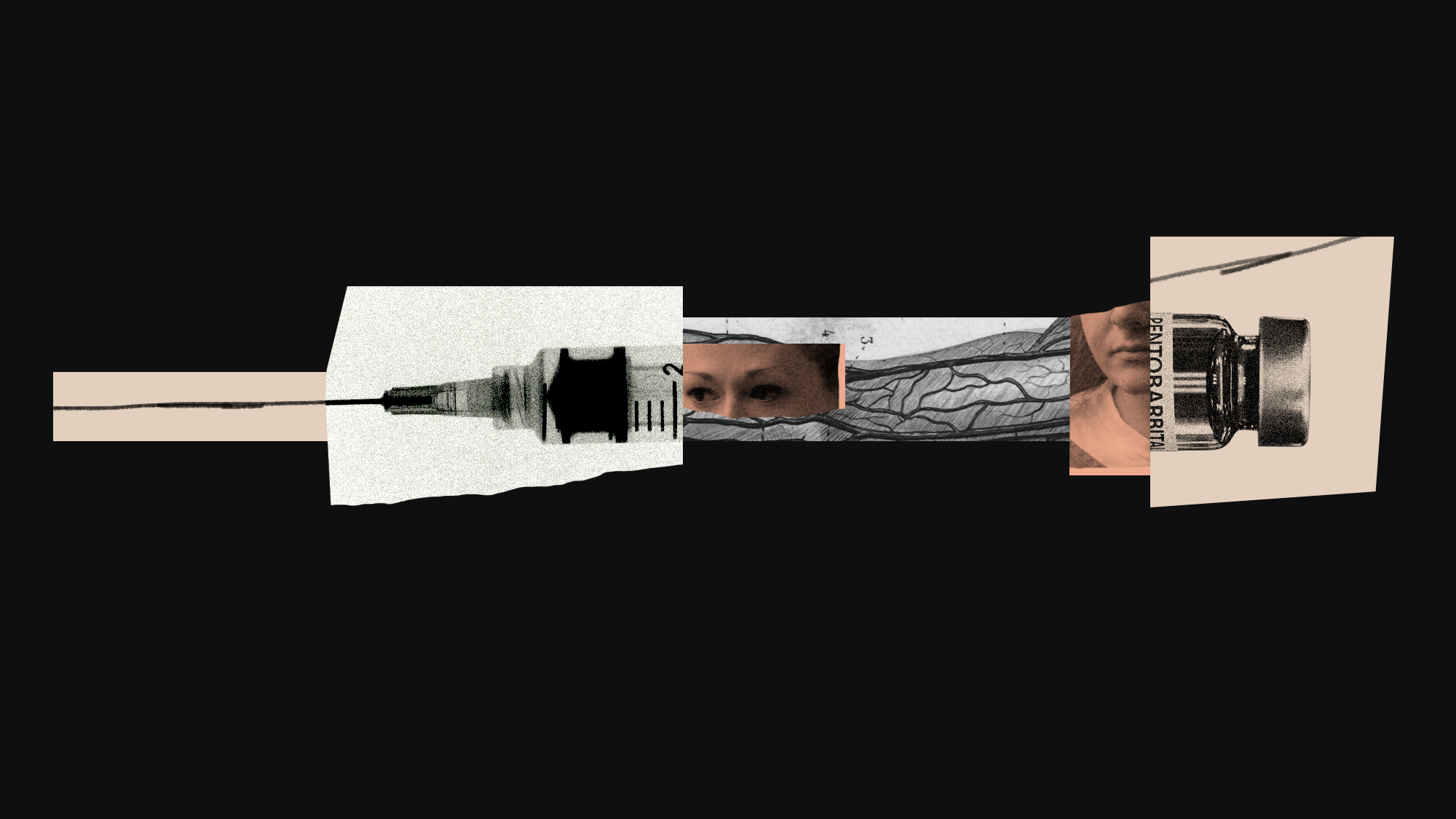
Several U.S. states are continuing to employ lethal injection as a primary method for carrying out the death penalty, even as evidence mounts regarding its failures and the increasing difficulty in obtaining the necessary drugs. This persistent reliance on lethal injection occurs despite numerous instances where executions have gone awry, leading to prolonged suffering for inmates and raising significant ethical and legal questions about the process. States often refuse to acknowledge these failures, preferring to maintain the status quo rather than explore alternative methods or abolish capital punishment altogether. This situation reflects a broader, ongoing debate about capital punishment in the United States, a practice that has seen declining public support and increasing legal challenges over the past few decades.
The challenges in administering lethal injections stem largely from drug shortages and the increasing unwillingness of pharmaceutical companies to supply the chemicals needed for executions. Many manufacturers cite ethical objections to their products being used for capital punishment, a stance that has gained traction as awareness of the issue grows. This has led states to seek out compounding pharmacies, which are less regulated and can create custom drug mixtures, or to experiment with different drug combinations. Some of these experimental protocols have proven to be less effective or more prone to causing extreme pain, directly contradicting the intended humane nature of the method. Reports from court documents and eyewitness accounts detail instances where inmates have shown signs of consciousness, struggled to breathe, or experienced visible distress during the injection process, leading to accusations of "botched" executions.
Despite these documented problems, the legal and political landscape surrounding lethal injection remains complex. Courts have often been reluctant to halt executions based solely on the potential for pain, requiring a high burden of proof that the method constitutes cruel and unusual punishment, as prohibited by the Eighth Amendment of the U.S. Constitution. Advocacy groups and defense attorneys, such as the American Civil Liberties Union (ACLU), continue to challenge lethal injection protocols, arguing that they violate constitutional protections and that the states' secrecy surrounding drug sourcing and execution procedures further compounds these issues. However, the political will to change course is often lacking, with many state legislatures hesitant to address the issue directly, leaving the problematic system in place. This ongoing situation highlights a significant disconnect between the practical realities of lethal injection and the legal and societal frameworks that govern its use, perpetuating a cycle of flawed executions and raising profound questions about justice and human dignity.
Original source — read the full reporting at the publisher:
Read on The AtlanticGet the weekly AI digest
AI news + new model releases, weekly. Drafted by our agents, reviewed by humans.