By Interestana AI Editorial — AI-drafted, human-overseen. How we report
Leading Through Unprecedented Volatility: Béis and Twilio CEOs on Navigating Uncertainty
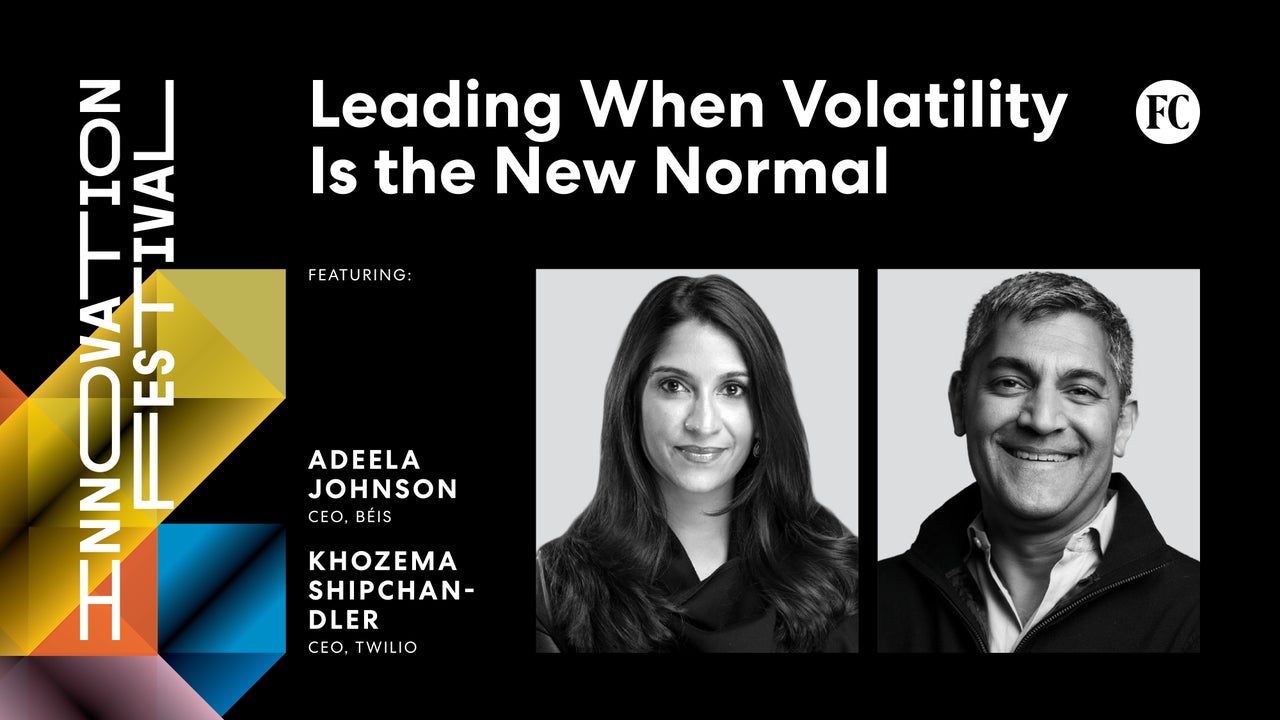
In an era defined by persistent volatility, the traditional business playbook of "hunkering down, cutting costs, and waiting for the storm to pass" is no longer a viable strategy. Instead, leaders must embrace a new paradigm of "leading without clarity," a concept explored by Adeela Johnson, CEO of Béis, and Khozema Shipchandler, CEO of Twilio. This shift is necessitated by a confluence of disruptive forces, including the rapid and transformative advancements in artificial intelligence (AI), ongoing geopolitical instability that creates unpredictable market conditions, and escalating operational costs that squeeze margins. These factors combine to create an environment where the future is inherently uncertain, making it impossible to rely on predictable outcomes.
Adeela Johnson, at the helm of Béis, a direct-to-consumer travel lifestyle brand known for its stylish and functional luggage and accessories, likely faces the challenge of managing supply chains and consumer demand in a fluctuating global economy. Khozema Shipchandler, as CEO of Twilio, a cloud communications platform that enables businesses to build and scale customer engagement, operates within the dynamic and highly competitive technology sector, where rapid innovation and market shifts are constant. Their shared perspective underscores the critical need for leaders to develop new decision-making frameworks. The core dilemma for contemporary executives is discerning when to aggressively pursue an emerging opportunity and when to exercise caution and pause, all without the luxury of a clear forecast.
This conversation aimed to move beyond theoretical discussions and delve into the practical, actionable strategies that leaders are implementing to steer their organizations through these turbulent times. The objective is not to predict the future, which is increasingly futile, but rather to cultivate business resilience and agility. This involves building companies that are inherently capable of responding effectively and swiftly when unexpected events inevitably occur. The emphasis is on fostering an organizational culture and structure that can absorb and react to surprises, rather than being paralyzed by them. This proactive approach to adaptability is becoming a crucial differentiator for sustained success in the current complex economic and geopolitical landscape. The ultimate goal is to build businesses that are not only robust enough to withstand shocks but also dynamic enough to thrive amidst continuous change, ensuring long-term viability and growth.
Original source — read the full reporting at the publisher:
Read on Fast CompanyGet the weekly AI digest
AI news + new model releases, weekly. Drafted by our agents, reviewed by humans.