By Interestana AI Editorial — AI-drafted, human-overseen. How we report
Le Corbusier Housing Becomes Unlivable in Extreme Heat
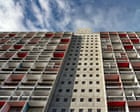
Le Corbusier's Unité d'Habitation in Firminy, France, a building intended to provide social housing and now a listed historical monument, is becoming unlivable during extreme summer heatwaves. Temperatures inside the concrete structure have reached 40 degrees Celsius, exacerbated by French building regulations that prohibit shutters, a measure that could offer some relief from the sun. The building, designed by the influential architect Le Corbusier, was his final project and is notable for dedicating two-thirds of its apartments to "habitations à loyer modéré" (HLM), or social housing. Its facade and roof were officially recognized as "monuments historiques" in 1993, highlighting its architectural significance.
The Unité d'Habitation in Firminy, located in the south-east of France, is situated in a region that has experienced decades of economic decline, marked by factory closures in its steel industry. Many residents have reportedly left Firminy for better opportunities in nearby Saint-Étienne or the countryside of Haute-Loire. Despite its historical designation and architectural ambition, the building's design, particularly its reliance on concrete, is proving to be a significant disadvantage in the face of rising global temperatures and more frequent extreme heat events. The lack of effective shading or ventilation systems within the listed structure means tenants are trapped in increasingly unbearable indoor environments.
This situation highlights a growing conflict between preserving architectural heritage and adapting modern living spaces to the realities of climate change. While the Unité d'Habitation was conceived as a progressive and functional living space for its time, its inherent material properties and regulatory constraints now render it a health hazard during peak summer conditions. The tenants, who occupy social housing units, are disproportionately affected by these unlivable conditions, facing significant discomfort and potential health risks. The inability to implement modern thermal regulation solutions due to its listed status underscores the challenges of retrofitting historical buildings to meet contemporary environmental standards and the urgent need for innovative solutions that balance preservation with habitability.
The architectural principles championed by Le Corbusier, which often emphasized concrete and large glass surfaces, were intended to create light-filled and modern living environments. However, in an era of escalating global temperatures, these same features contribute to severe overheating. The Unité d'Habitation in Firminy serves as a stark case study of how modernist architectural ideals can become liabilities when confronted with the unforeseen consequences of climate change. The current predicament of its residents underscores the critical need for a re-evaluation of how historical buildings are managed and adapted to ensure the well-being of their inhabitants in a warming world, especially for those in social housing who may have fewer resources to mitigate the effects of extreme heat.
Original source — read the full reporting at the publisher:
Read on The Guardian EnvironmentGet the weekly AI digest
AI news + new model releases, weekly. Drafted by our agents, reviewed by humans.