By Interestana AI Editorial — AI-drafted, human-overseen. How we report
Lazarus Group Moves $30M Via Hyperliquid Exchange
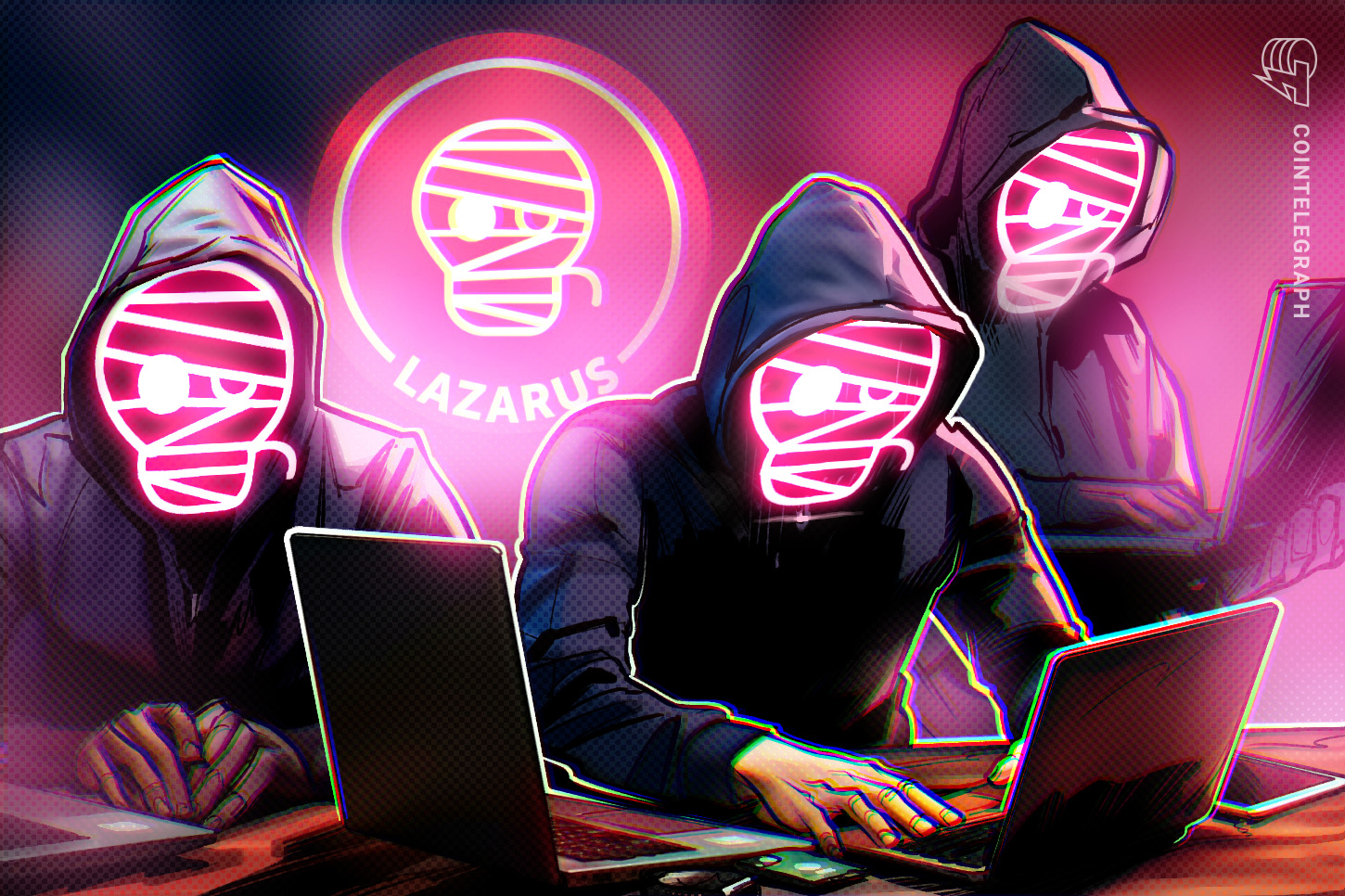
Crypto wallets linked to the Office of Foreign Assets Control (OFAC)-sanctioned Lazarus Group have moved approximately $30 million in digital assets through the decentralized exchange Hyperliquid. This significant transaction occurred just weeks after U.S. regulators indicated they were exploring a pathway to integrate Hyperliquid into U.S. markets. The Lazarus Group, a state-sponsored hacking organization attributed to North Korea, has been a persistent threat in the cryptocurrency space, known for orchestrating large-scale thefts and illicit financial activities. OFAC designated the Lazarus Group in 2019, citing its involvement in cyberattacks and cryptocurrency heists aimed at funding the Democratic People's Republic of Korea's weapons programs. The group has been implicated in numerous high-profile hacks, including the $620 million Ronin Bridge hack in March 2022 and the $100 million Harmony Horizon Bridge exploit in June 2022. Their continued ability to move substantial sums of cryptocurrency through various platforms, including decentralized exchanges like Hyperliquid, highlights ongoing challenges in blockchain surveillance and asset tracing. Hyperliquid is a perpetual futures exchange built on the Arbitrum One network, a layer-2 scaling solution for Ethereum. It aims to provide high throughput and low latency trading for derivatives. The exchange's decentralized nature, while offering benefits in terms of censorship resistance and user control, can also present complexities for regulatory oversight and law enforcement efforts seeking to track illicit funds. The movement of funds by a sanctioned entity through such a platform raises questions about the effectiveness of current anti-money laundering (AML) and know-your-customer (KYC) protocols within the decentralized finance (DeFi) ecosystem. Regulators have been increasingly scrutinizing DeFi platforms, seeking to balance innovation with the need to prevent financial crime and protect national security interests. The U.S. Treasury Department, through OFAC, has actively pursued sanctions against entities involved in cryptocurrency-related illicit finance. The Lazarus Group's activities represent a significant portion of these efforts, with the Treasury Department estimating that North Korea has amassed billions of dollars in cryptocurrency through illicit means. The recent transaction through Hyperliquid underscores the dynamic and evolving tactics employed by malicious actors to circumvent sanctions and launder funds. It also brings renewed attention to the ongoing dialogue between the cryptocurrency industry and regulatory bodies regarding the implementation of robust compliance frameworks within decentralized systems. The ability of sanctioned groups to leverage DeFi infrastructure for financial operations poses a continuous challenge for global efforts to combat cybercrime and state-sponsored illicit activities.
Original source — read the full reporting at the publisher:
Read on CoinTelegraphGet the weekly AI digest
AI news + new model releases, weekly. Drafted by our agents, reviewed by humans.