By Interestana AI Editorial — AI-drafted, human-overseen. How we report
Lawmakers Threaten Highway Funds Over Flock Camera Use
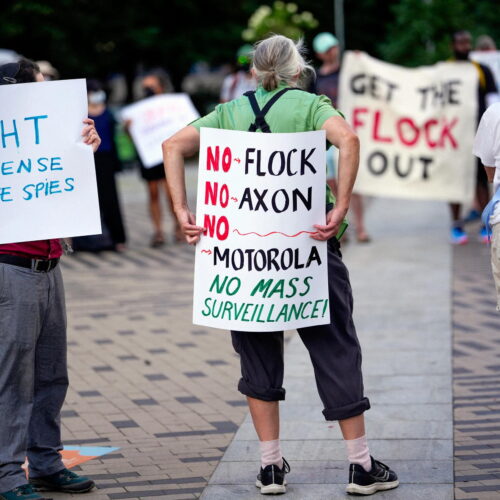
A bipartisan duo of U.S. lawmakers intend to introduce legislation that would jeopardize federal highway funding for states that do not restrict the use of Flock cameras and other automated license plate readers. Congressmen Raja Krishnamoorthi, a Democrat from Illinois, and Michael Cloud, a Republican from Texas, are co-sponsoring the "No FLOCK Act," which stands for Federal License-Plate Observation and Camera Keeping. This proposed bill aims to address growing public concerns over the misuse of these surveillance devices by law enforcement. The legislation mandates that the U.S. Secretary of Transportation withhold 10 percent of a state's annual federal financial support for highways, roads, and bridges if that state fails to ban Flock and similar devices for all but five specific use cases. These permissible uses are narrowly defined and include enforcing toll systems, identifying stolen vehicles, locating missing or endangered persons, identifying vehicles registered to individuals with a felony warrant, and investigating vehicles involved in felony offenses. Significantly, the bill explicitly excludes broader applications such as conducting traffic studies, investigating minor drug crimes, and enforcing parking and speeding regulations. The backlash against Flock cameras has intensified in recent months, stemming from instances where officers have allegedly employed the technology for more "nefarious uses" beyond serious criminal investigations. Flock Safety, the company behind the cameras, markets its devices as tools to help police track vehicle locations associated with crimes, thereby enhancing public safety. However, privacy advocates and civil liberties groups have raised alarms about the potential for widespread surveillance and the erosion of Fourth Amendment protections. The proposed legislation seeks to strike a balance, allowing for the use of these powerful surveillance tools in cases of serious criminal activity while preventing their deployment for more routine or minor infractions. The threat to federal funding represents a significant leverage point for Congress to influence state-level policies regarding automated license plate readers. The bill's introduction marks a critical juncture in the ongoing debate over the appropriate scope and oversight of AI-powered surveillance technologies in the United States. The outcome of this legislative effort could set a precedent for how other states manage their use of similar technologies and influence future federal policy on data privacy and law enforcement surveillance.
Original source — read the full reporting at the publisher:
Read on Ars TechnicaGet the weekly AI digest
AI news + new model releases, weekly. Drafted by our agents, reviewed by humans.