By Interestana AI Editorial — AI-drafted, human-overseen. How we report
AI Models Design Novel Bacterial Viruses
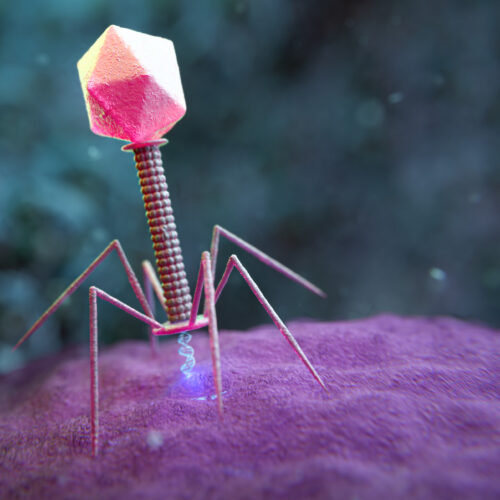
Researchers at Stanford University have successfully employed large genome models, a type of artificial intelligence, to design novel viruses that infect bacteria. This advancement builds upon prior AI work in biology, which has largely concentrated on protein design due to proteins' fundamental roles in cellular chemistry and structure. While the genetic code acts as an intermediary layer between DNA and proteins, researchers proceeded to develop models trained on genomic data. These models demonstrated the capability to generate DNA sequences that could encode functional proteins in bacteria and replicate gene structures observed in complex cells. The recent application of these models has extended to the creation of viral genomes, specifically targeting bacteria. The viruses designed by the AI are closely related to existing viral strains but possess unique characteristics that would be difficult to achieve through natural evolution. The research team from Stanford University has highlighted the potential implications of this technology, suggesting that society should begin preparing for the possibility of related AI systems being developed to design viruses that target vertebrates. This development signifies a significant step in synthetic biology and AI-driven biological design, moving beyond protein engineering to entire viral genomes. The ability to computationally design functional biological entities like viruses opens new avenues for research in areas such as virology, immunology, and the development of novel therapeutic agents, but also necessitates careful consideration of biosecurity and ethical guidelines. The researchers' caution underscores the dual-use nature of advanced AI in biological sciences, where innovations can offer substantial benefits alongside potential risks. The work involved generating DNA sequences that not only encoded functional proteins but also mimicked the intricate gene structures found in more complex cellular organisms, demonstrating a sophisticated understanding of genomic architecture. The subsequent step of designing entire viral genomes for bacterial infection represents a leap in the complexity and potential impact of AI-generated biological agents. The distinct features introduced by the AI into these viruses suggest a level of design capability that surpasses conventional evolutionary processes, enabling the creation of organisms with specific, engineered traits. This research, published by scientists at Stanford University, serves as a critical juncture in the field, prompting a proactive dialogue on governance and safety measures for AI in synthetic biology. The potential for designing viruses that target vertebrates, as warned by the researchers, necessitates a forward-looking approach to risk assessment and mitigation strategies within the scientific community and regulatory bodies.
Original source — read the full reporting at the publisher:
Read on Ars TechnicaGet the weekly AI digest
AI news + new model releases, weekly. Drafted by our agents, reviewed by humans.