By Interestana AI Editorial — AI-drafted, human-overseen. How we report
Antibody Marketing Images Manipulated Across 17,000 Products
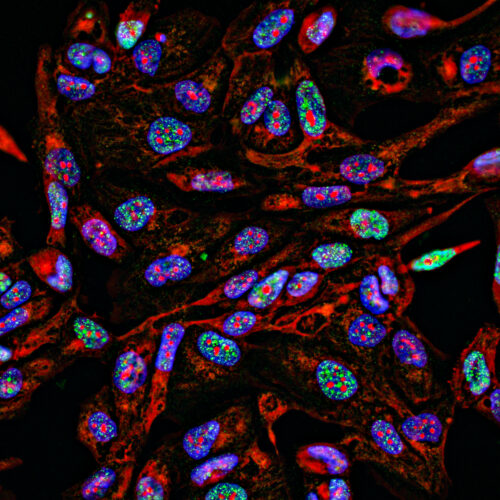
Reese Richardson, a postdoctoral researcher at Northwestern University, has identified widespread image manipulation in marketing materials for commercial antibodies, affecting over 17,000 products. These manipulations, discovered in May and further detailed in a more exhaustive search, include altering images to present fabricated or misleading experimental results. The types of alterations range from removing background noise to more serious fabrications like copying and pasting data to create false positive outcomes. Such practices, if found in academic publications, would typically lead to paper retractions.
Antibodies are critical biological molecules that function as a key component of the immune system, recognizing and binding to specific proteins. In laboratory research, they are indispensable tools for various widely used techniques, enabling scientists to detect, quantify, and isolate specific proteins of interest. Researchers can either produce their own antibodies or purchase commercially available ones, often with rapid overnight delivery for common targets. The integrity of the data presented in marketing materials is crucial for researchers making purchasing decisions, as it informs the expected performance and reliability of the antibody in their experiments.
The discovery by Richardson highlights a significant concern for the scientific community. The use of manipulated images in product marketing can mislead researchers, leading to wasted time, resources, and potentially flawed experimental outcomes. This undermines the trust in commercial suppliers and could indirectly impact the reproducibility of scientific findings. The scale of the issue, with over 17,000 affected antibodies, suggests a systemic problem within the industry's marketing practices. The implications extend to the reliability of research that relies on these commercially sourced antibodies, potentially affecting fields ranging from basic biology to drug discovery and diagnostics.
Richardson's investigation involved a detailed examination of images provided by antibody suppliers to demonstrate the efficacy and specificity of their products. The identified manipulations are akin to scientific misconduct, emphasizing the need for greater scrutiny and transparency in how research reagents are marketed. The scientific community relies on accurate representations of experimental data to make informed choices about the tools they use. The prevalence of these misleading images raises questions about the quality control and ethical standards employed by some companies in the life sciences sector. Further investigation into the specific companies and the extent of their involvement is anticipated.
Original source — read the full reporting at the publisher:
Read on Ars TechnicaGet the weekly AI digest
AI news + new model releases, weekly. Drafted by our agents, reviewed by humans.