By Interestana AI Editorial — AI-drafted, human-overseen. How we report
Kospi, U.S. Futures Jump as Oil Plunges on Hormuz Talks
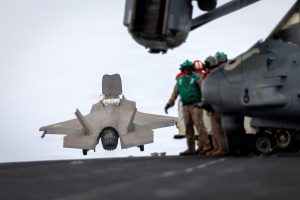
Global financial markets experienced a significant upward trend on Sunday evening, driven by de-escalating tensions between the U.S. and Iran and the prospect of reopening the Strait of Hormuz. Futures tied to the Dow Jones Industrial Average saw a substantial increase, surging 337 points, representing a 0.65% gain. The S&P 500 futures followed suit, jumping 0.80%, while Nasdaq futures demonstrated even stronger momentum, climbing 1.28%. South Korea's Kospi index, a key indicator of global stock performance, advanced by 74 points, or 1.1%. This rise in the Kospi was bolstered by new deals secured by semiconductor giants SK Hynix and Samsung Electronics.
In response to the diplomatic developments, U.S. oil prices experienced a sharp decline, falling 5.44% to $84.45 per barrel. Similarly, Brent crude oil prices dropped 5.25% to $91.70 per barrel. The price of gold, often seen as a safe-haven asset, rose 1.15% to $4,118 per ounce, indicating a mixed investor sentiment regarding risk assets.
Reports indicate that both U.S. President Donald Trump and Iranian officials have confirmed active diplomatic engagement following nearly two weeks of intermittent attacks. Concurrently, Iran and Oman are reportedly engaged in separate negotiations, with a potential agreement emerging that could allow Iran to manage vessel transit through the Strait of Hormuz with reduced restrictions. However, neighboring countries and the U.S. are expected to be wary of any agreement that grants Tehran control over this critical waterway. President Trump faces diminishing options to alleviate pressure on the oil market, which is facing a potential crisis due to critically low inventory levels. The U.S. has reinforced its military presence in the Middle East with additional troops and aircraft, preparing for the possibility of resuming major combat operations. Despite 40 days of extensive warfare and 13 days of limited strikes, the Strait of Hormuz has remained closed. Sources cited by Axios suggest that U.S. Central Command chief Admiral Brad Cooper advised halting the recent bombing campaign, deeming it to have reached its operational limits. The New York Times further reported that General Dan Caine, Chairman of the Joint Chiefs of Staff, privately cautioned that while restarting major combat operations is feasible, Iran's retaliatory actions would necessitate the depletion of Central Command's interceptor missile stockpiles.
Original source — read the full reporting at the publisher:
Read on FortuneGet the weekly AI digest
AI news + new model releases, weekly. Drafted by our agents, reviewed by humans.