By Interestana AI Editorial — AI-drafted, human-overseen. How we report
Keyword and Prompt Research Combined for SEO Strategy
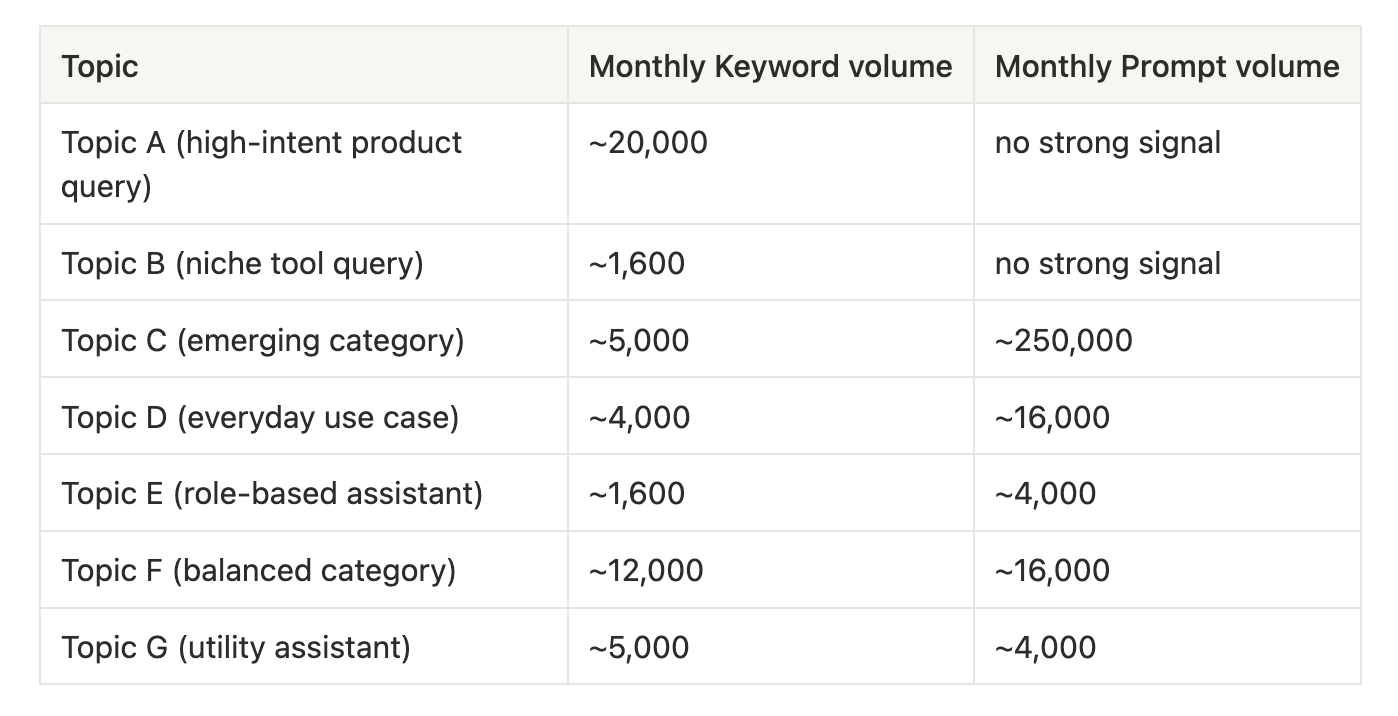
A new approach to search engine optimization (SEO) strategy advocates for combining traditional keyword research with analysis of AI prompt data to better understand audience demand. This integrated methodology aims to capture search intent that may be missed by keyword research alone, particularly as users increasingly interact with AI assistants like ChatGPT, Perplexity, and Google's AI Mode. These conversational queries often differ significantly from the short phrases typed into traditional search engines, revealing a distinct layer of user need.
The proposed strategy involves creating a unified table that juxtaposes keyword search volume with AI prompt volume for any given topic. Keyword volume, traditionally measured using tools like Google Ads Keyword Planner and cross-referenced with third-party platforms such as Semrush or Ahrefs, indicates how frequently users type specific phrases into search engines. Prompt volume, conversely, quantifies how often users articulate a topic or problem in a natural language query to AI assistants. Tools like Profound's Prompt Volumes are utilized to aggregate and model this data from real user interactions across platforms including ChatGPT, Gemini, Claude, and Perplexity.
This dual-data approach allows content strategists to identify gaps between what users search for and what they ask AI. The difference between these two demand signals can then inform the type of content required for a topic. For instance, a topic with high keyword volume but low prompt volume might indicate a need for direct, factual content answering specific search queries. Conversely, a topic with lower keyword volume but high prompt volume could suggest an opportunity for more in-depth, explanatory content that addresses complex problems articulated in conversational AI prompts.
Nuances in data interpretation are crucial. Google Ads Keyword Planner, for example, merges close variants of keywords, meaning near-duplicate phrases often report the same search volume figure and should not be counted as separate demand signals. Prompt volume, derived from a dataset of real user prompts, provides insights into the phrasing and trending of AI-assisted inquiries. By analyzing this combined dataset, SEO professionals can build a more robust understanding of audience intent, leading to more effective content prioritization and strategy development in an evolving digital landscape where AI plays an increasingly significant role in information discovery.
Original source — read the full reporting at the publisher:
Read on Search Engine LandGet the weekly AI digest
AI news + new model releases, weekly. Drafted by our agents, reviewed by humans.