By Interestana AI Editorial — AI-drafted, human-overseen. How we report
Kevin Warsh Avoids Fed Policy Forecast at Jackson Hole
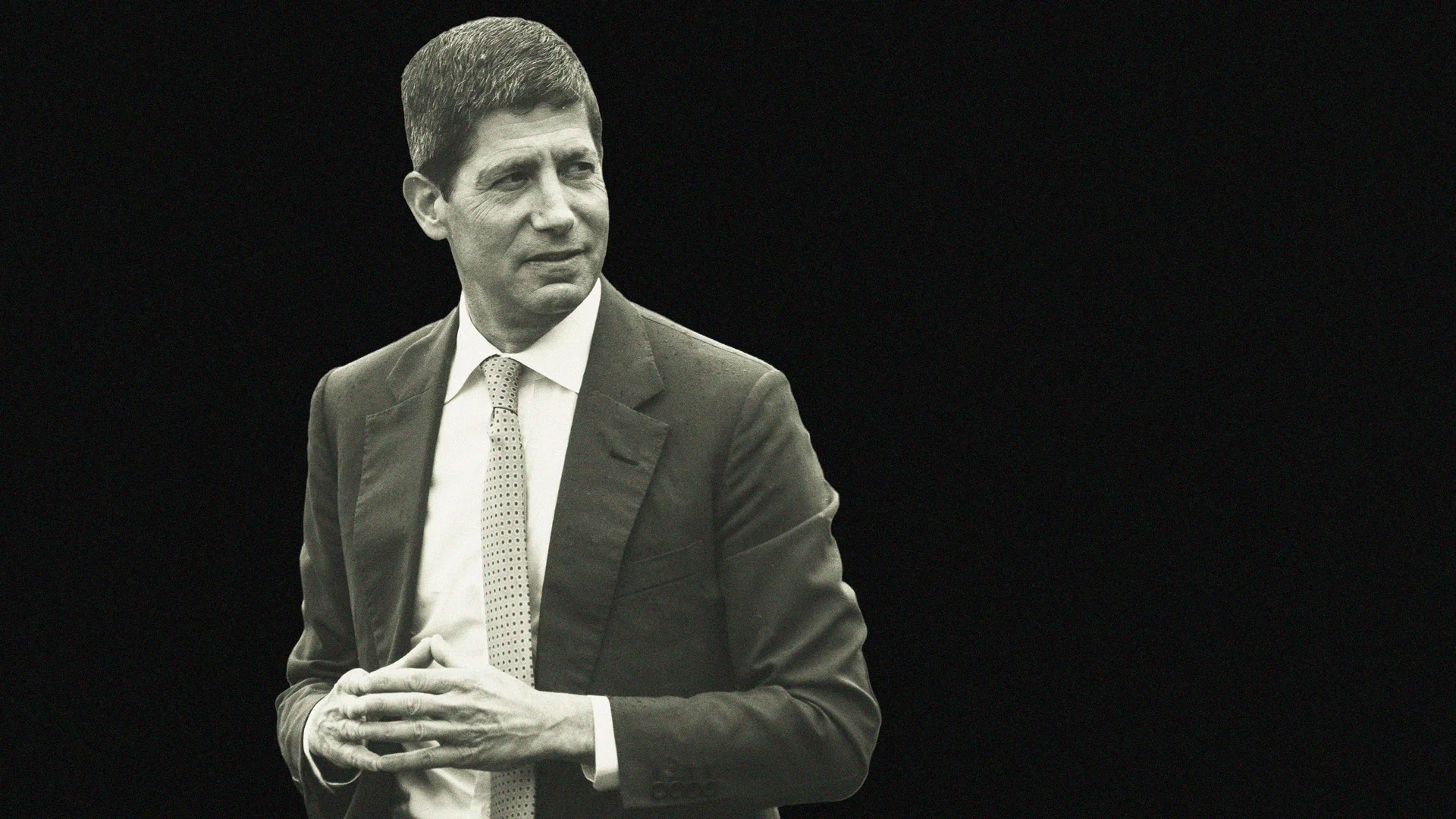
Former Federal Reserve Governor Kevin Warsh addressed the Jackson Hole Economic Symposium, focusing on the persistent challenge of inflation and the Federal Reserve's monetary policy stance. During his remarks, Warsh emphasized the need for continued vigilance against rising prices, suggesting that the central bank should maintain a hawkish approach until inflation is demonstrably under control. However, Warsh conspicuously avoided providing any concrete forecasts or specific forward guidance regarding the Federal Reserve's future interest rate decisions or the timeline for potential policy shifts. This deliberate omission leaves market participants and the public without a clear indication of the Fed's next steps, underscoring the inherent uncertainty in the current economic climate. Warsh's commentary highlighted the complex interplay between economic data, inflation expectations, and the Federal Reserve's dual mandate of price stability and maximum employment. He alluded to the difficulties policymakers face in navigating a landscape marked by supply chain disruptions, geopolitical instability, and evolving labor market dynamics, all of which can influence inflationary pressures. The former governor's remarks, while firm on the objective of taming inflation, were characterized by a strategic ambiguity regarding the precise path forward. This approach suggests a reliance on incoming economic data to dictate policy adjustments, rather than pre-committing to a predetermined course of action. The Jackson Hole symposium, an annual gathering of central bankers, economists, and policymakers, typically serves as a platform for discussing significant economic issues and signaling potential policy directions. Warsh's participation and his measured, yet non-committal, statements reflect the current cautious mood within monetary policy circles. His focus remained on the principles of sound monetary management, stressing the importance of credibility and clear communication, even in the absence of specific forward guidance. The absence of a forecast from a figure with Warsh's background in monetary policy underscores the Federal Reserve's current data-dependent strategy and its reluctance to provide premature signals in a volatile economic environment. Observers will continue to scrutinize economic indicators, such as inflation rates, employment figures, and consumer spending, for clues about the Federal Reserve's future policy trajectory.
Original source — read the full reporting at the publisher:
Read on Inc.Get the weekly AI digest
AI news + new model releases, weekly. Drafted by our agents, reviewed by humans.