By Interestana AI Editorial — AI-drafted, human-overseen. How we report
Kevin Warsh Fed Chair Oversees First Rate Hike in Three Years
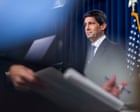
Federal Reserve Chair Kevin Warsh presided over a unanimous decision by the Federal Open Market Committee (FOMC) to raise interest rates on September 16, 2026. This marked the first interest rate increase in three years, signaling a significant shift in monetary policy aimed at combating persistent inflation. The decision followed a period of uncertainty, particularly after the previous FOMC meeting where Warsh had not provided clear indications of the Fed's intentions regarding inflation control. At a press conference following the September 16 meeting, Warsh stated, "Today's action starts to show that we're serious about this," referring to the Fed's commitment to addressing inflation that has exceeded its 2% target for over five years. This embrace of economic orthodoxy by the Federal Reserve, under Warsh's leadership, occurred amidst what the article describes as "Keystone Cops quality of governance in Donald Trump’s US." The Federal Reserve, as the central bank of the United States, is responsible for setting monetary policy to promote maximum employment, stable prices, and moderate long-term interest rates. The FOMC, its principal monetary policymaking body, consists of the seven members of the Board of Governors and five Federal Reserve Bank presidents. Decisions on interest rates, such as the one made on September 16, 2026, are critical tools used to influence borrowing costs, consumer spending, and business investment, thereby impacting the overall economy. The unanimous nature of the vote underscores a consensus within the committee regarding the necessity of tightening monetary policy to curb inflationary pressures. The article implies that this decisive action by the Fed, while welcome from an economic perspective, stands in contrast to the perceived governance issues within the broader US administration at the time. The specific benchmark for inflation being targeted is the Fed's 2% target, a widely accepted standard for price stability in developed economies. Exceeding this target for an extended period, as noted in the summary, typically prompts central banks to consider restrictive monetary measures. The decision to raise rates is a direct response to this prolonged period of inflation, aiming to cool down an overheating economy by making borrowing more expensive. This, in turn, is expected to reduce aggregate demand and bring inflation back towards the desired 2% level. The article highlights Warsh's role as the "adult in the room," suggesting he is a stabilizing force within an administration perceived as less predictable. His leadership in guiding the FOMC towards a unanimous decision on a significant policy shift like an interest rate hike is presented as a key achievement in this context. The implications of this rate hike extend beyond immediate inflation control, potentially influencing global financial markets, currency exchange rates, and the cost of capital for businesses worldwide. The article does not provide specific details on the magnitude of the interest rate increase, but its significance lies in its occurrence after a three-year period of stable or declining rates, and in its unanimous adoption by the FOMC.
Original source — read the full reporting at the publisher:
Read on The Guardian WorldGet the weekly AI digest
AI news + new model releases, weekly. Drafted by our agents, reviewed by humans.