By Interestana AI Editorial — AI-drafted, human-overseen. How we report
Kevin Warsh Signals Monetarist Shift at Federal Reserve
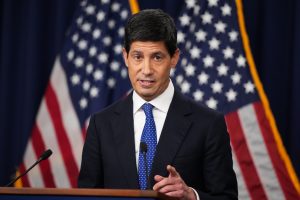
Former Federal Reserve Governor Kevin Warsh has signaled a substantial shift in the central bank's economic philosophy, embracing monetarist principles. This represents a notable departure from the approach of former Fed Chair Jerome Powell, who consistently rejected the core tenets of monetarism. Warsh's apparent alignment with monetarism is described as a "welcomed earthquake" by proponents of the doctrine, particularly given its diminished presence in mainstream economic discourse and academic circles over the past four decades. Monetarism posits that the quantity of money and the functioning of the banking system are central to determining asset prices, economic activity, and the overall price level. Consequently, monetary policy, according to this doctrine, is most effectively managed by targeting the growth rate of the money supply.
In contrast to monetarist theory, contemporary macroeconomic models and economic discussions often sideline the roles of money and banking. Many economists now rely on elaborations of Keynesian income-expenditure models that exclude these monetary factors. This mainstream approach, which has been prevalent for decades, is implicated by some observers as a reason for the failure of economists to anticipate the significant post-COVID inflation surge in the United States and globally. The article suggests that the Federal Reserve's internal staff, often characterized as Keynesian-leaning Democrats, may also be resistant to aligning with a philosophy historically associated with Milton Friedman, a prominent monetarist.
Warsh's commentary suggests a potential re-evaluation of the Federal Reserve's analytical framework. While the specific date of Warsh's revelation is not provided, the context implies a recent development. The article contrasts this potential shift with the previous administration's economic modeling and policy decisions. The author implies that the exclusion of monetary factors from mainstream economic analysis has led to significant forecasting errors, particularly concerning inflation. The piece highlights the historical dominance of non-monetarist economic thought within academia and central banking, making Warsh's stated inclination towards monetarism a significant indicator of potential policy reorientation.
The implications of this potential shift are far-reaching, as monetarism offers a distinct perspective on how monetary policy impacts the broader economy. By emphasizing the direct link between money supply and inflation, a monetarist approach could lead to different policy prescriptions compared to models that focus primarily on interest rates or fiscal stimulus. The article implies that the Federal Reserve, under previous leadership, had moved away from considering the money supply as a primary policy target, a stance that monetarists argue has contributed to economic instability and misjudged inflationary pressures. Warsh's apparent endorsement suggests a potential return to a more direct focus on monetary aggregates as a key indicator and target for policy.
Original source — read the full reporting at the publisher:
Read on FortuneGet the weekly AI digest
AI news + new model releases, weekly. Drafted by our agents, reviewed by humans.