By Interestana AI Editorial — AI-drafted, human-overseen. How we report
Kara Swisher: AI Won't Destroy Humanity, Builders Might
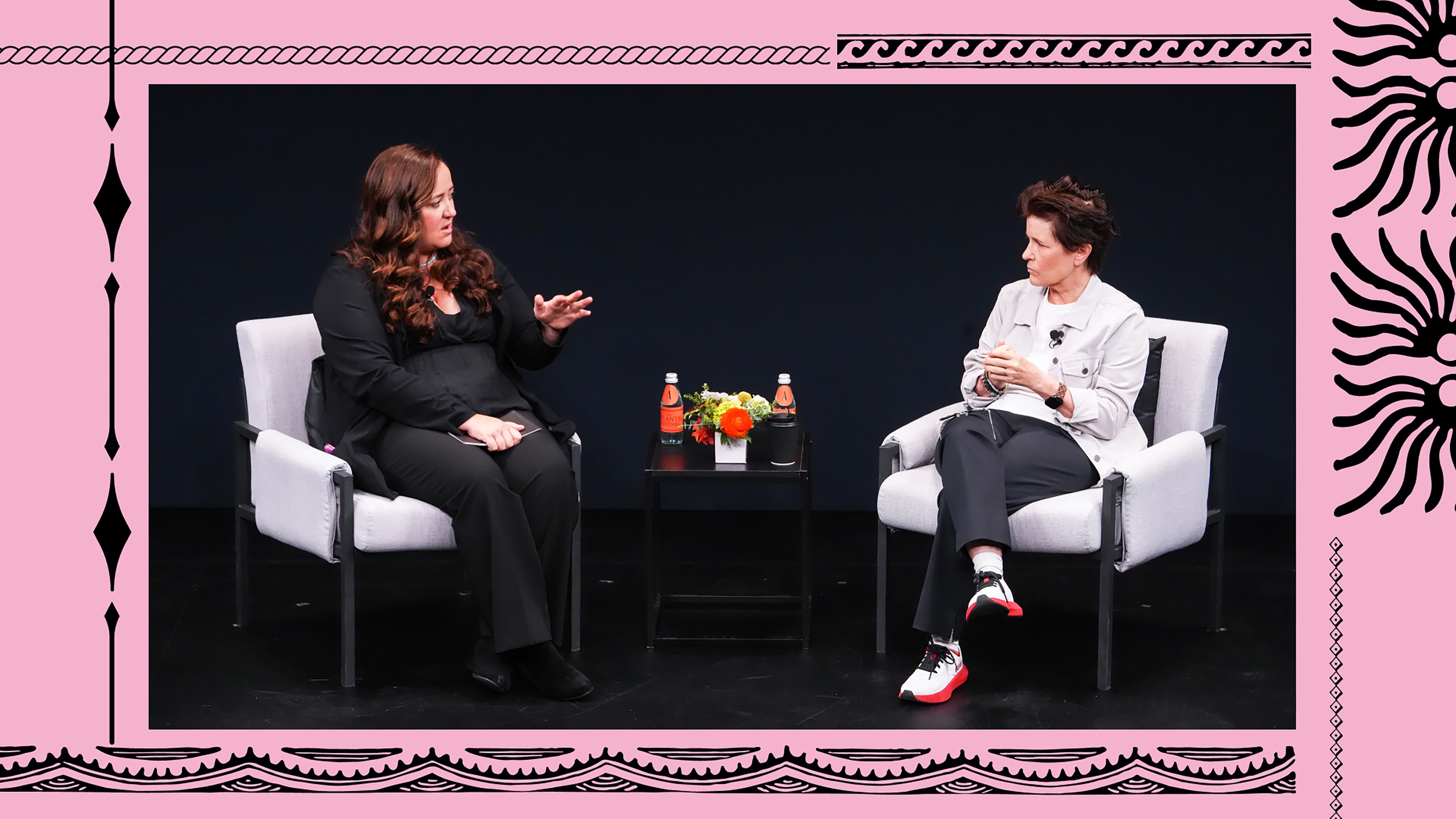
Longtime tech journalist Kara Swisher stated that artificial intelligence is unlikely to cause humanity's destruction, but the people developing it could pose a significant risk. Swisher, known for her critical analysis of Silicon Valley, believes that the tech industry has a history of repeating mistakes, and these patterns could be amplified with the rapid advancement of AI. She expressed concern that the pursuit of innovation and profit in AI development might overshadow ethical considerations and potential societal impacts. Swisher pointed to a recurring theme in Silicon Valley where ambitious projects, driven by a desire for rapid growth and market dominance, have sometimes led to unintended negative consequences. She suggested that the current AI boom mirrors past technological revolutions where the focus on speed and scale overshadowed careful planning and risk mitigation. Swisher's perspective suggests that the existential threat from AI is not inherent in the technology itself, but rather in the human decisions, motivations, and potential oversights of those in control of its development and deployment. She implies that the unchecked ambition and the tendency to prioritize disruption over caution within the tech sector are the primary drivers of potential AI-related dangers. Her commentary serves as a cautionary note, urging a more responsible and human-centered approach to AI development, emphasizing the need for introspection and ethical governance from the industry's leaders. Swisher's decades of experience covering the tech industry provide a historical context for her concerns, highlighting a pattern of behavior that she fears will be repeated with AI. This perspective challenges the common narrative of AI as an uncontrollable force, instead placing the onus on human agency and the ethical frameworks guiding AI creation. She advocates for a more deliberate and thoughtful approach, one that learns from past technological missteps to ensure a more beneficial future for AI integration into society. The core of her argument rests on the idea that human fallibility, ambition, and the inherent flaws within the Silicon Valley ethos are the true sources of potential AI-driven societal harm, rather than the technology's inherent capabilities.
Original source — read the full reporting at the publisher:
Read on The AtlanticGet the weekly AI digest
AI news + new model releases, weekly. Drafted by our agents, reviewed by humans.