By Interestana AI Editorial — AI-drafted, human-overseen. How we report
Kalshi COO: Prediction Markets Outperform Polls
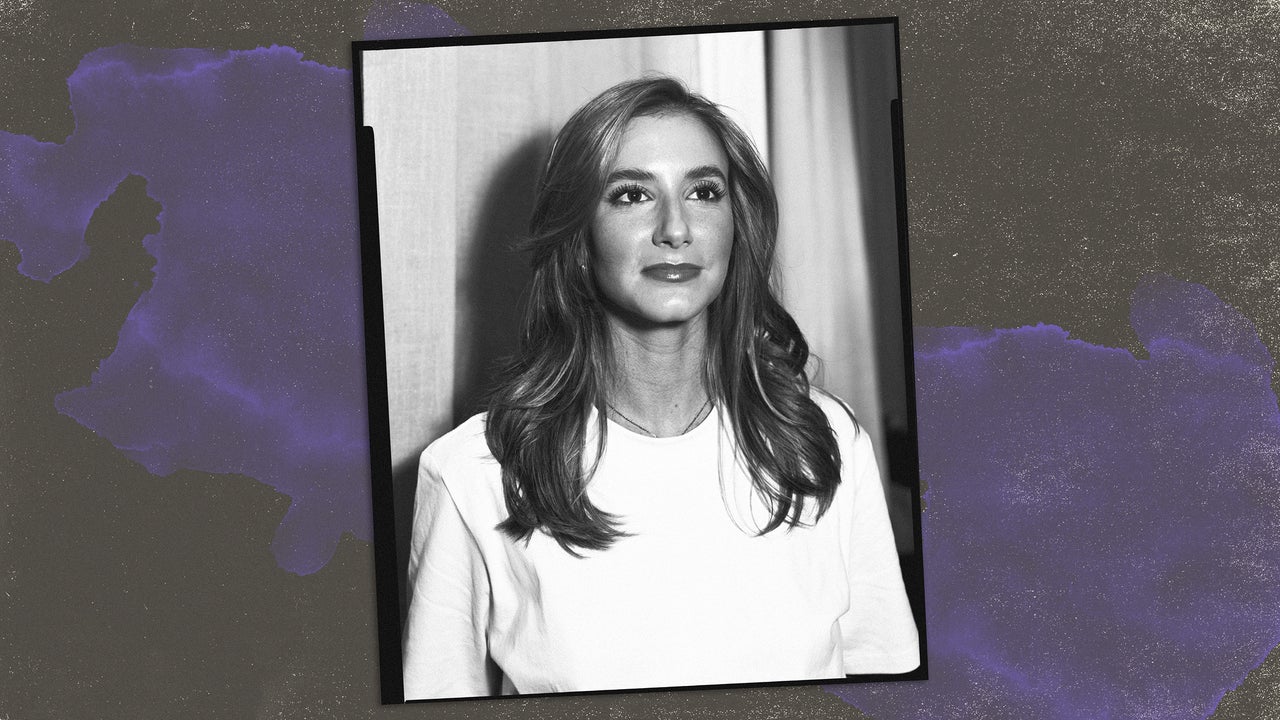
Kalshi's Chief Operating Officer, Luana Lopes Lara, asserts that prediction markets inherently incentivize truthful forecasting, a stark contrast to platforms driven by clickbait. This core argument underpins Kalshi's operational philosophy and its success as a prediction market platform. Lara, a co-founder of Kalshi, highlighted the company's significant valuation surge, from $5 billion to $22 billion in under a year, a trajectory that has also attracted legal scrutiny, with New York's attorney general filing a $36 billion lawsuit against the company. Despite 75% of its trading volume originating from sports betting, Lara distinguishes Kalshi from entities like DraftKings, emphasizing its unique function in aggregating collective intelligence. Kalshi, which launched its product in 2021, experienced substantial growth, with its valuation escalating rapidly. Lara revealed that the company's journey to this point involved eight years of foundational work, including a four-year period dedicated to establishing legal and regulatory compliance before any public launch. This meticulous approach involved collaborating with the U.S. federal government to define a safe and regulated framework for prediction markets in the United States. The company's rapid expansion is attributed to the sustained, compounded efforts of its team in developing technology, engaging users, and fostering communication. Kalshi's legal standing was further solidified by a favorable ruling against the CFTC (Commodity Futures Trading Commission), which affirmed its operational legitimacy. Lara's insights were shared in an interview for "Rapid Response," a program hosted by former Fast Company editor-in-chief Robert Safian, produced by the team behind the "Masters of Scale" podcast. The program features in-depth discussions with business leaders addressing contemporary challenges. Kalshi's platform allows users to trade on the outcome of future events, from political elections to economic indicators, with the prices reflecting the market's consensus probability of those events occurring. This mechanism, Lara suggests, provides a more accurate and dynamic forecast than traditional polling methods, which can be subject to biases and lagging data. The company's valuation growth, particularly in the lead-up to and aftermath of significant political events, underscores the increasing interest in alternative forecasting tools. The lawsuit filed by New York's attorney general, however, introduces a significant challenge, with the state seeking $36 billion in penalties, though the specific grounds for this substantial claim were not detailed in the provided context. Kalshi's ability to navigate this legal landscape while continuing its operational expansion will be a critical factor in its future success.
Original source — read the full reporting at the publisher:
Read on Fast CompanyGet the weekly AI digest
AI news + new model releases, weekly. Drafted by our agents, reviewed by humans.