By Interestana AI Editorial — AI-drafted, human-overseen. How we report
Judge Blocks Minnesota Prediction Market Ban
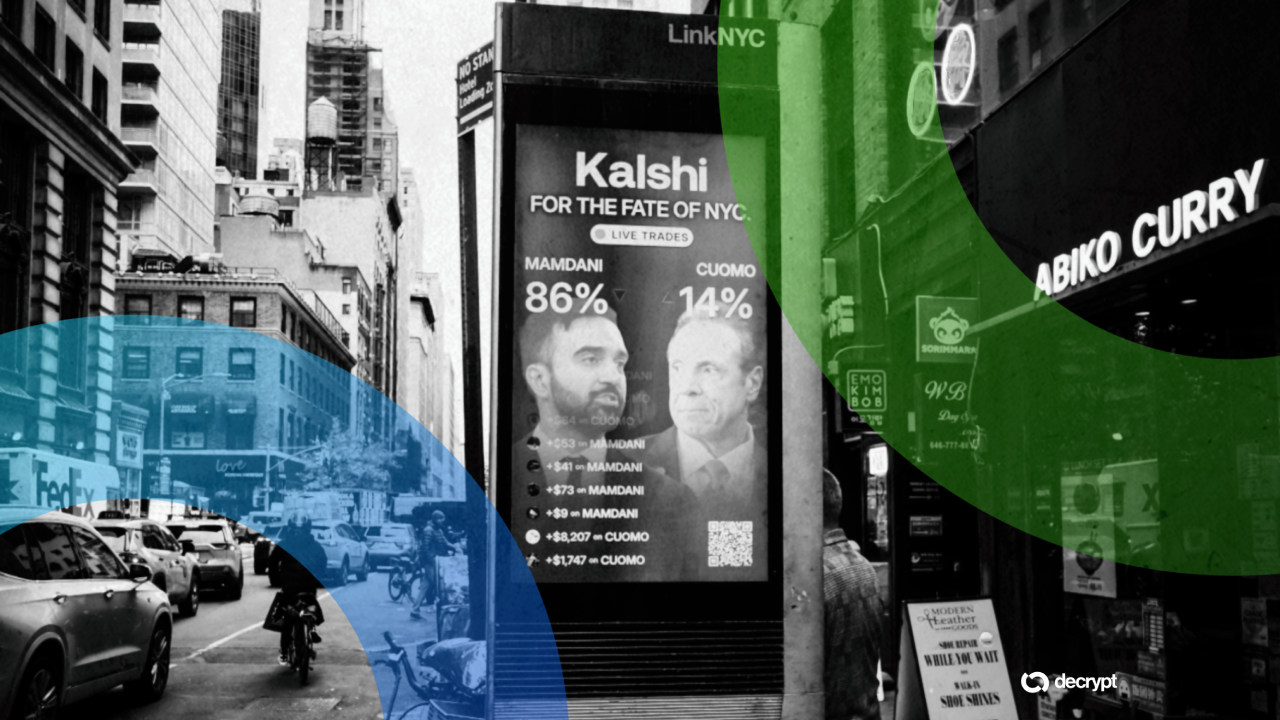
A federal judge has temporarily blocked Minnesota's ban on prediction markets, ruling that not all contracts offered by platforms like Kalshi and Polymarket qualify as illegal swaps under federal law. The decision, issued on May 15, 2024, by U.S. District Judge Nancy Brasel, offers a reprieve for these platforms, which allow users to bet on the outcomes of future events. The core of the legal challenge hinges on whether the contracts traded on these prediction markets constitute "swaps" as defined by the Commodity Exchange Act. Judge Brasel found that while some contracts might fall under this definition, "not every one does," suggesting a nuanced approach is required rather than a blanket prohibition.
Minnesota's ban, enacted in 2023, aimed to classify prediction markets as illegal gambling, thereby prohibiting their operation within the state. This legislation was a significant blow to companies like Kalshi, which had been operating in Minnesota. Kalshi, a regulated exchange based in New York, allows users to trade contracts on a wide range of events, from political elections to economic indicators. Polymarket, another prominent prediction market, also faced potential disruption. The judge's order specifically addresses the interpretation of "swap" and its application to the diverse array of contracts available on these platforms. The ruling implies that a more granular examination of each contract's characteristics is necessary to determine its legality.
The legal battle underscores the ongoing debate surrounding the regulation of prediction markets. Proponents argue that these markets provide valuable information and can serve as a form of decentralized forecasting, offering insights into public sentiment and potential future events. Critics, however, often view them as a form of unregulated gambling. The Commodity Futures Trading Commission (CFTC) has previously asserted jurisdiction over certain types of prediction markets, classifying them as swaps or futures. This ruling by Judge Brasel, however, suggests that the CFTC's broad interpretation may not automatically apply to all prediction market contracts, particularly those that do not involve the direct exchange of commodities or financial instruments in a manner typically associated with regulated futures or swaps.
This temporary injunction means that Kalshi and Polymarket can continue to offer their services to Minnesota residents while the legal proceedings continue. The ruling is a significant, albeit preliminary, victory for the prediction market industry, which has been navigating a complex and evolving regulatory landscape. The broader implications of this decision could influence how other states and federal agencies approach the regulation of similar platforms. The judge's emphasis on the specific nature of each contract suggests that future regulatory actions may need to be more tailored, potentially distinguishing between different types of prediction market offerings rather than imposing sweeping bans. The case will likely proceed to further legal scrutiny, with the ultimate classification and regulation of prediction markets remaining a key issue.
Original source — read the full reporting at the publisher:
Read on DecryptGet the weekly AI digest
AI news + new model releases, weekly. Drafted by our agents, reviewed by humans.