By Interestana AI Editorial — AI-drafted, human-overseen. How we report
Kafka's Animal Narrators Offer Humorous Human Insights
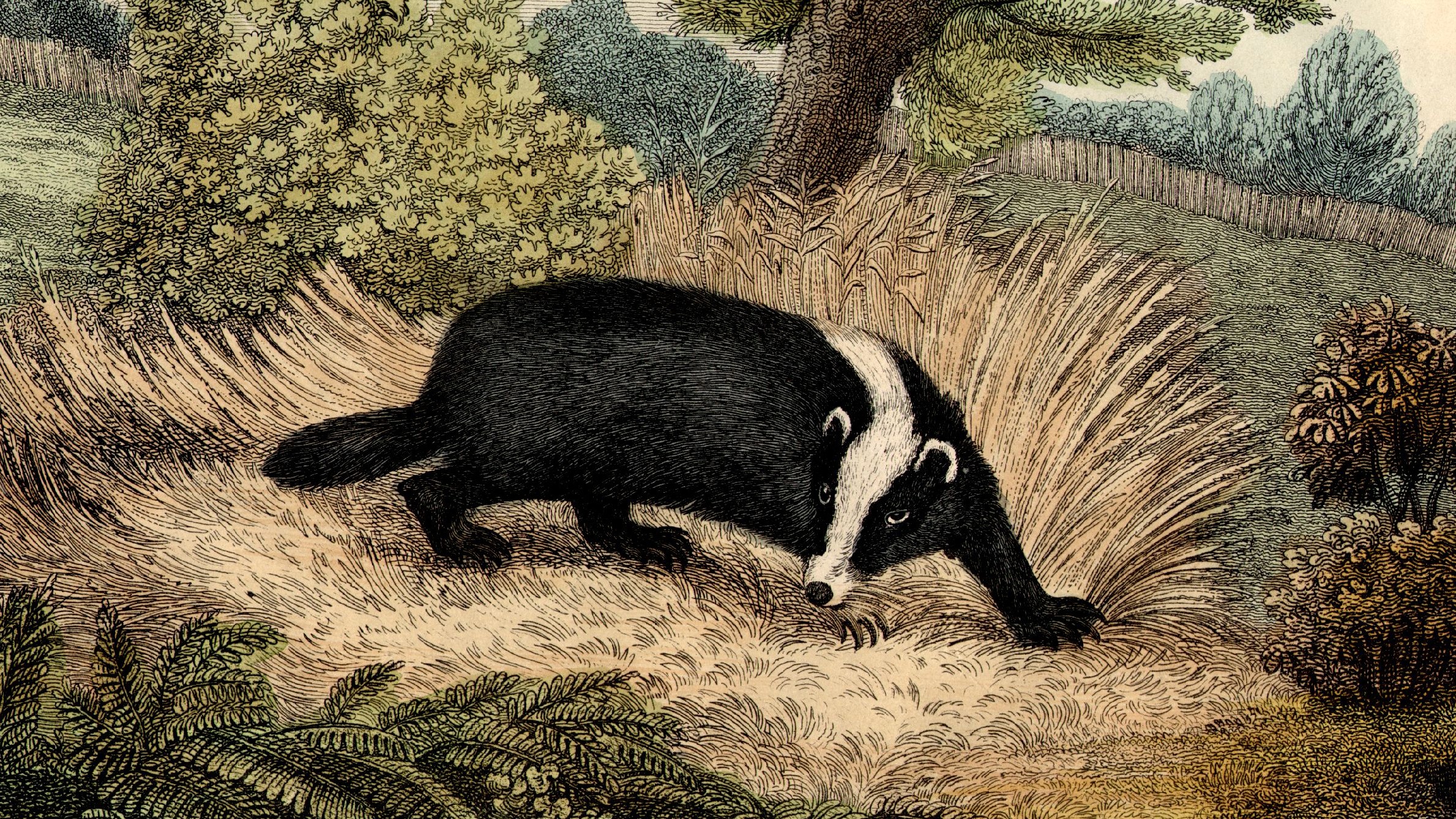
Franz Kafka's collection of stories, particularly those featuring animal narrators, offers a distinct and often humorous perspective on human nature and societal absurdities. While Kafka is widely recognized for his existential and often bleak portrayals of alienation and bureaucracy, these animal-centric tales, such as "The Burrow" and "A Report to an Academy," reveal a lighter, more satirical side to his writing. These narratives employ animal protagonists to explore themes of identity, belonging, and the often-irrational constructs of human society. The choice of animal narrators allows Kafka to create a sense of detachment, enabling a more objective and critical examination of human actions and motivations. For instance, in "A Report to an Academy," an ape named Red Peter recounts his journey from captivity to human society, highlighting the performative aspects of assimilation and the compromises individuals make to gain acceptance. The ape's articulate and surprisingly human-like narration underscores the artificiality of social hierarchies and the pressures to conform. Similarly, "The Burrow" features a creature obsessed with its meticulously constructed burrow, a narrative that can be interpreted as a metaphor for human anxieties about security, control, and the futility of creating perfect, impenetrable defenses against an unpredictable world. The humor in these stories often arises from the juxtaposition of animalistic concerns with sophisticated human-like reasoning and social commentary. This creates an ironic distance that amplifies the critique of human behavior, making the reader reflect on their own actions and societal norms through the eyes of a non-human observer. These works challenge the conventional understanding of Kafka's oeuvre, demonstrating his versatility as a writer capable of employing diverse narrative strategies to achieve profound insights. The animal narrators serve not merely as whimsical characters but as sophisticated literary devices, enabling Kafka to dissect the complexities of the human condition with a unique blend of wit and philosophical depth. The collection demonstrates that even within the darkest explorations of existence, Kafka found room for observation that is both sharp and amusing, using the non-human perspective to illuminate the often-unseen absurdities of human life. The stories invite readers to consider how much of our behavior is instinctual, how much is learned, and how much is a performance dictated by social expectations, all filtered through the distinct voices of creatures far removed from human society, yet surprisingly attuned to its intricacies. This collection stands as a testament to Kafka's ability to find humor and profound meaning in the most unexpected of narrative frameworks, offering a valuable counterpoint to his more commonly discussed works.
Original source — read the full reporting at the publisher:
Read on The AtlanticGet the weekly AI digest
AI news + new model releases, weekly. Drafted by our agents, reviewed by humans.