By Interestana AI Editorial — AI-drafted, human-overseen. How we report
New Algorithm Mimics Fruit Fly Olfactory Memory
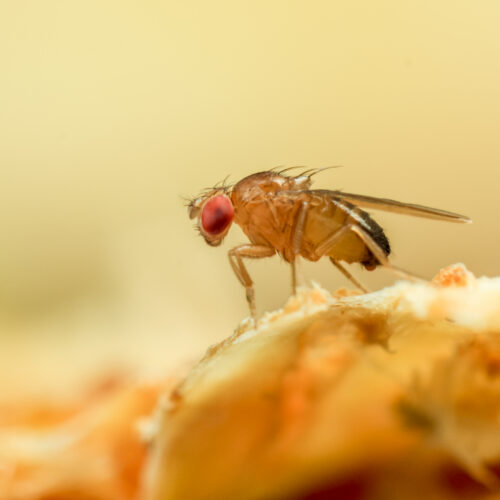
Researchers have developed a novel algorithm, Spi-Fly, designed to mimic the olfactory memory capabilities of fruit flies, addressing significant limitations in current electronic nose technology. Fruit flies, despite possessing a relatively small brain composed of approximately 140,000 neurons, demonstrate a remarkable ability to process a wide array of smells rapidly and retain scent memories for extended periods. This contrasts sharply with existing electronic noses, which are often costly, have a limited detection range, and quickly overwrite old scent memories when encountering new ones.
The Spi-Fly algorithm, detailed in a recent publication in the journal Neuromorphic Computing and Engineering, is the result of work by Kevin Max and Yang Shen at the Okinawa Institute of Science and Technology. Their research aims to replicate the biological mechanisms that allow fruit flies to maintain persistent odor memories, a feature largely absent in artificial olfactory systems. This persistent memory is crucial for tasks such as identifying specific threats or locating resources over time, capabilities that current electronic noses struggle to replicate.
Traditional electronic noses often rely on sensor arrays that change their electrical properties in response to different chemical compounds. While effective for detecting the presence of certain substances, the data processing and memory retention mechanisms in these devices are typically transient. When a new odor is detected, the system may adjust its internal state to recognize the new smell, but in doing so, it can lose the specific signature or memory of a previously encountered odor. This makes it difficult for electronic noses to build a comprehensive and lasting library of scents, a task that fruit flies accomplish with apparent ease.
The inspiration drawn from the fruit fly's neural architecture is key to Spi-Fly's design. The researchers are investigating how the fly's brain, with its limited number of neurons, manages to encode, store, and recall olfactory information without significant degradation. By understanding and replicating these biological principles, Spi-Fly aims to create electronic noses that are not only more sensitive and versatile but also possess a robust and enduring memory of past olfactory experiences. This could lead to advancements in various fields, including environmental monitoring, food safety, medical diagnostics, and security, where the ability to reliably identify and remember specific scents is paramount.
Original source — read the full reporting at the publisher:
Read on Ars TechnicaGet the weekly AI digest
AI news + new model releases, weekly. Drafted by our agents, reviewed by humans.