By Interestana AI Editorial — AI-drafted, human-overseen. How we report
California EVs Could Supply 9 GW of Grid Power
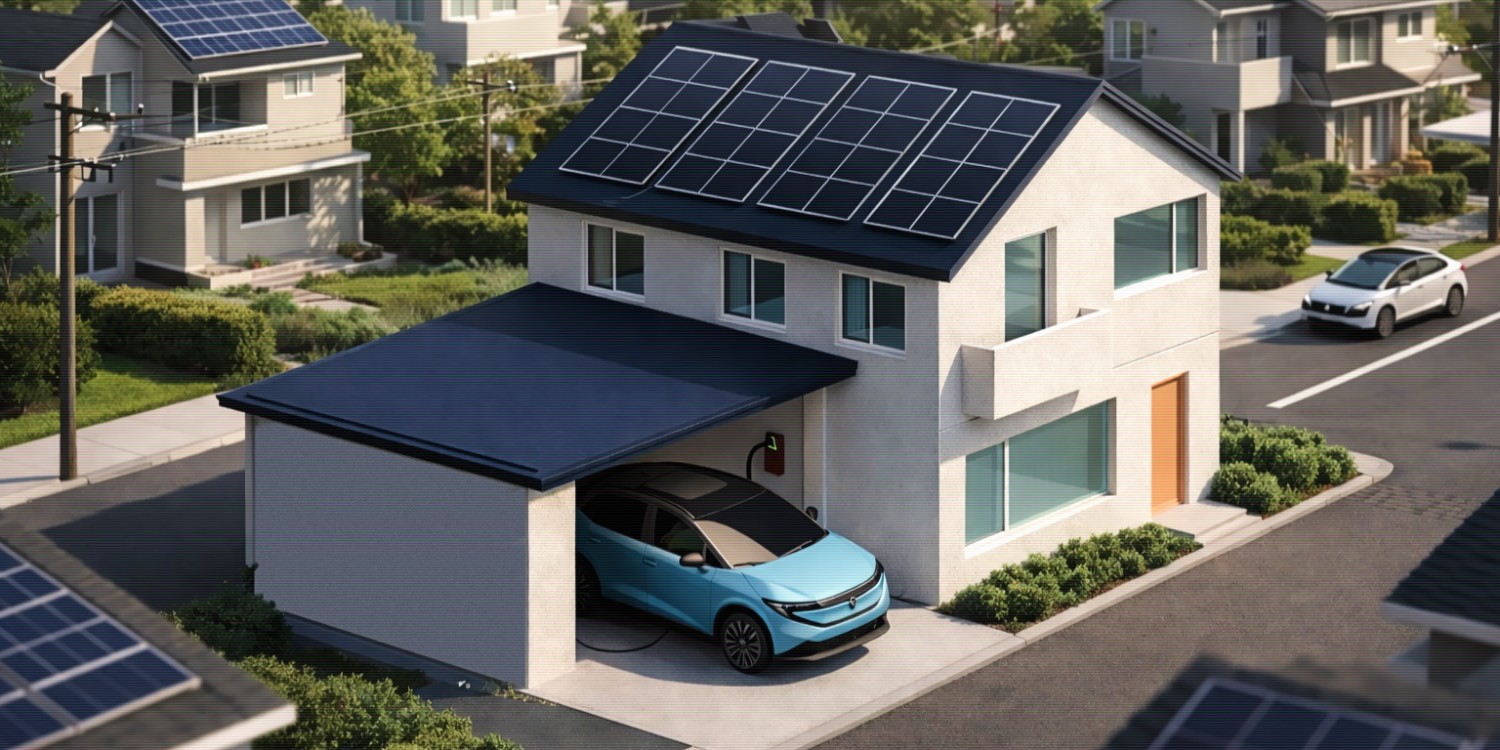
California's substantial fleet of electric vehicles (EVs) possesses the potential to significantly bolster the state's energy grid, capable of supplying approximately 9 gigawatts (GW) of power. This capacity, equivalent to the output of several large-scale power plants, could be realized through vehicle-to-grid (V2G) technology, allowing parked EVs to discharge stored energy back to the grid during peak demand periods. However, realizing this potential is contingent upon overcoming existing logistical and regulatory challenges that currently limit widespread EV participation in grid services.
The analysis, which highlights the underutilized energy storage capacity within the millions of EVs registered in California, points to a critical need for improved infrastructure and streamlined processes. Currently, only a small fraction of EV owners are able to participate in programs that leverage their vehicles' batteries for grid support. This limited engagement means that the state is not fully capitalizing on a readily available, distributed energy resource. The 9 GW figure represents a significant portion of California's peak electricity demand, underscoring the transformative impact V2G technology could have on grid stability and reliability, particularly as the state integrates more renewable energy sources that are inherently intermittent.
Experts suggest that simplifying the technical and administrative requirements for EV owners to offer their vehicle's battery capacity to utilities is paramount. This includes developing standardized protocols for communication between vehicles, charging infrastructure, and the grid, as well as creating clear and attractive financial incentives for participation. Without these improvements, the vast majority of EV batteries will continue to function solely as personal transportation devices, their grid-serving capabilities remaining largely untapped. The successful integration of V2G technology could also play a crucial role in managing the grid's response to extreme weather events and reducing reliance on fossil fuel-based peaker plants, thereby contributing to California's ambitious climate goals.
Furthermore, the development of a robust V2G ecosystem would necessitate collaboration between automakers, charging equipment manufacturers, utility companies, and state regulators. Addressing concerns related to battery degradation, cybersecurity, and equitable access to V2G programs will be essential for fostering trust and encouraging broad adoption. As California continues to lead in EV adoption, unlocking the full potential of its EV battery fleet for grid services presents a compelling opportunity to enhance energy resilience and accelerate the transition to a cleaner energy future. The current state of participation, where only a small percentage of EV owners are actively involved, indicates a significant gap between potential and reality, a gap that policy and technological advancements are poised to bridge.
Original source — read the full reporting at the publisher:
Read on ElectrekGet the weekly AI digest
AI news + new model releases, weekly. Drafted by our agents, reviewed by humans.