By Interestana AI Editorial — AI-drafted, human-overseen. How we report
July 2026 Buck Moon Peaks July 29 With Celestial Views
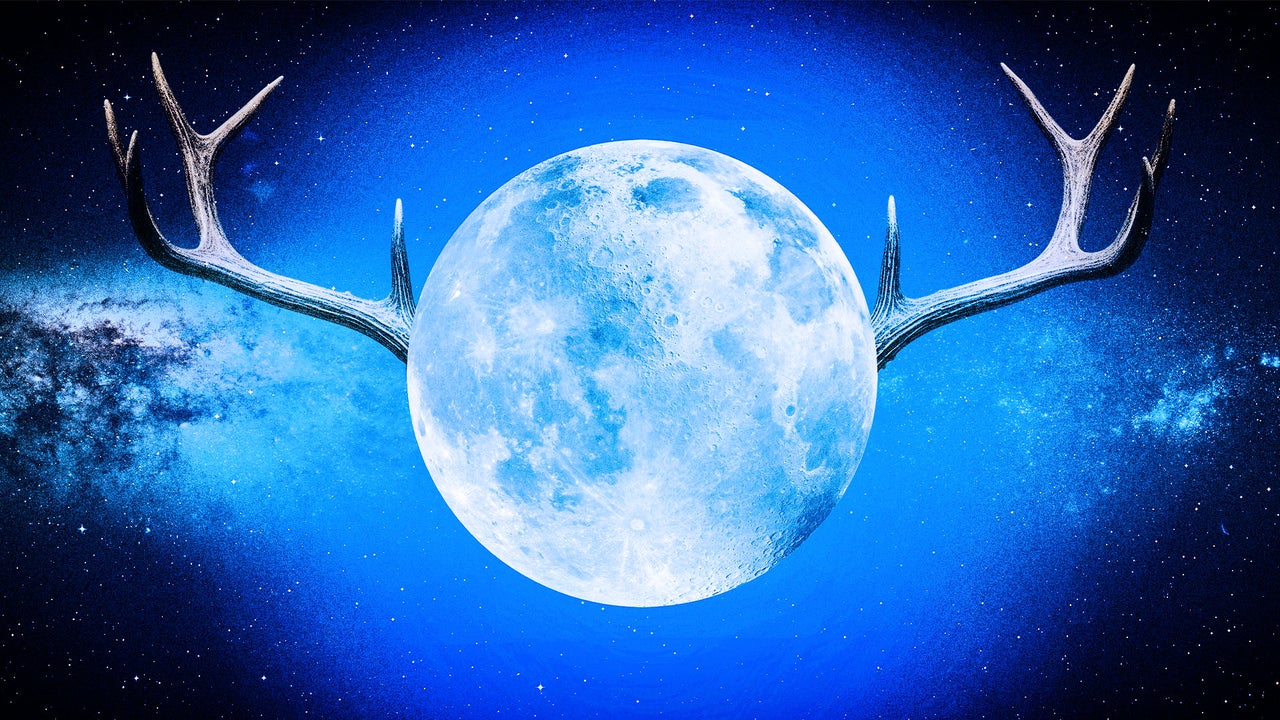
The full moon in July 2026, commonly referred to as the "buck moon," is set to reach its peak illumination on Wednesday, July 29, at precisely 10:36 a.m. Eastern Time. This celestial event provides an opportunity for sky-watchers to observe the moon, which will appear full for approximately three days around its peak. The "buck moon" designation originates from the timing of male deer (bucks) growing their new antlers during this month, a tradition documented by The Old Farmer's Almanac since the 1930s. This naming convention, along with many other full moon names, is rooted in Native American traditions, specifically from Algonquin-speaking tribes situated along the Atlantic coast and the Great Lakes region. Beyond the "buck moon," other cultures associate July's full moon with different natural phenomena. For instance, the Tlingit people of the Pacific Northwest refer to this lunar phase as the "salmon moon," recognizing the late July period as the prime time for salmon to return to their spawning grounds, making it an important season for harvesting. Sky-gazers observing the "buck moon" may also witness other astronomical events. The latter part of July is known for its abundance of meteor showers, including the Southern Delta Aquariids, Alpha Capricornids, and the Perseids. While the bright light of the full moon might diminish the visibility of fainter meteors, some shooting stars may still be discernible. Additionally, the planet Mercury is approaching its peak visibility around this time, potentially offering another point of interest for observers. Viewers in the Midwest and Northeast regions of the United States might notice an orange tint to the moon. According to CNN, this coloration is not an astronomical anomaly but rather a consequence of smoke from Canadian wildfires. For those equipped with a telescope and an observer's guide, it might even be possible to identify the Apollo landing sites on the moon's surface. Astrologically, the "buck moon" in 2026 aligns with the zodiac sign Aquarius, which is associated with self-expression, personal aspirations, and social connections, as noted by astrologer Kyle Thomas on Good Morning America. This astrological context suggests a period conducive to focusing on personal growth and interpersonal relationships. The historical significance of the moon is underscored by the fact that 57 years prior to this event, astronauts Neil Armstrong and Buzz Aldrin made history as the first humans to walk on the moon during the Apollo 11 mission, a monumental achievement that continues to inspire awe and exploration.
Original source — read the full reporting at the publisher:
Read on Fast CompanyGet the weekly AI digest
AI news + new model releases, weekly. Drafted by our agents, reviewed by humans.