By Interestana AI Editorial — AI-drafted, human-overseen. How we report
Judge Considers Trump's Truth Social Early Access Fees
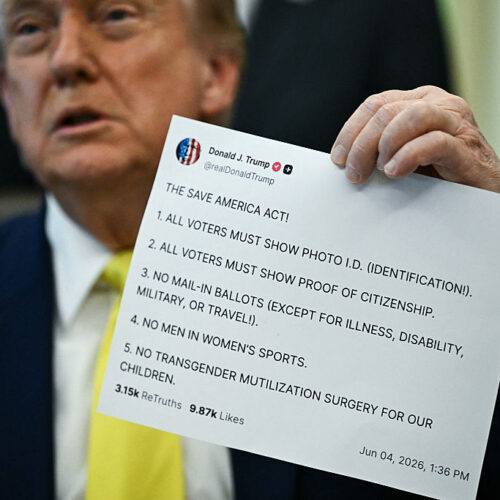
A federal judge is expected to rule in the coming weeks on whether former President Donald Trump can legally charge substantial fees for early access to his Truth Social posts, a practice that could set a precedent for presidents profiting from government information disseminated through personal social media. The core of the legal debate centers on the potential conflict of interest arising from Trump, as the largest stakeholder and majority owner of Trump Media & Technology Group, the parent company of Truth Social, charging up to $100,000 per month for instant API access to his posts. This access is particularly valuable because Trump's posts often contain news and information originating from his administration during his presidency. The Department of Justice, represented by civil attorney Brantley Mayers, argued during a hearing on Wednesday that there is no inherent conflict with Trump monetizing this early access. The argument suggests that the value derived from the API access is intrinsically linked to Trump's position as president, implying that the information shared is of significant public interest due to its presidential origin. This legal challenge raises novel questions about the intersection of presidential communication, private business interests, and the public's right to access information. The outcome of this case could establish new ethical and legal boundaries for former and future presidents regarding the commercialization of their official communications and the information they generate while in office. The specific mechanism under consideration involves an Application Programming Interface (API), which allows for programmatic access to data, enabling subscribers to receive Trump's Truth Social posts almost instantaneously. The proposed fee of $100,000 monthly for this service highlights the significant perceived value of this early access, which is largely attributed to the authority and influence of the presidency. The legal proceedings are being closely watched by media organizations, government ethics watchdogs, and political observers, as they could shape future practices related to presidential transparency and the financial implications of holding public office. The judge's decision will address whether such a practice constitutes an improper personal profit from government information or if it falls within acceptable business practices for a former president. The case underscores the evolving landscape of presidential communication in the digital age and the complex legal and ethical considerations that arise when personal financial interests intersect with public service. The Department of Justice's stance suggests a belief that the information's value is derived from its presidential context, and the monetization of this context is not inherently problematic from a legal standpoint, provided it adheres to existing regulations and ethical guidelines. However, critics argue that allowing a president to personally profit from information that is inherently tied to their official capacity could undermine public trust and create opportunities for undue influence. The judge's deliberation will involve balancing these competing arguments and interpreting relevant laws and ethical standards to reach a decision.
Original source — read the full reporting at the publisher:
Read on Ars TechnicaGet the weekly AI digest
AI news + new model releases, weekly. Drafted by our agents, reviewed by humans.