By Interestana AI Editorial — AI-drafted, human-overseen. How we report
Judge Dismisses January 6 Cases Against Oath Keepers
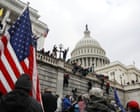
US District Judge Amit Mehta granted the Justice Department's request to dismiss cases against members of the right-wing Oath Keepers militia involved in the January 6, 2021, attack on the US Capitol. This ruling, issued on Tuesday, vacates the convictions of Oath Keepers founder Stewart Rhodes and other group members. These individuals had previously been convicted of seditious conspiracy for their alleged plot to disrupt the peaceful transfer of power following Donald Trump's loss in the 2020 presidential election. The Justice Department's motion to dismiss cited the Supreme Court's decision in United States v. D.A.N.I.E.L. S. Dantzler, which clarified the scope of obstruction of an official proceeding charges. The Oath Keepers, a group known for its anti-government and nationalist views, played a visible role in the events of January 6, with some members entering the Capitol building. The seditious conspiracy charge, a serious offense, requires proof that defendants conspired to overthrow, put down, or destroy by force the government of the United States, or to levy war against it. The dismissal of these cases represents a significant development in the legal proceedings stemming from the Capitol attack. Rhodes, a former US Army paratrooper and Yale Law School graduate, founded the Oath Keepers in 2009. The organization has been described as a militia movement with a focus on opposing federal government authority. The January 6 Capitol attack involved a large crowd of supporters of then-President Donald Trump who marched to the Capitol building and entered it in an attempt to prevent the certification of Joe Biden's victory in the 2020 election. The attack resulted in multiple deaths and numerous injuries, and led to widespread condemnation and subsequent investigations and prosecutions. The legal strategy for the government in prosecuting Oath Keepers and other January 6 defendants has evolved over time, influenced by various court rulings and appeals. The Supreme Court's recent ruling in Dantzler, which addressed the interpretation of a federal statute prohibiting the obstruction of an official proceeding, has had a direct impact on several ongoing cases. This particular dismissal highlights the complex legal landscape surrounding the prosecutions related to the January 6 events and the ongoing efforts to interpret and apply federal statutes in the context of political unrest and challenges to democratic processes. The decision by Judge Mehta means that Rhodes and the other dismissed defendants will no longer face the consequences of their previous convictions for seditious conspiracy in relation to the January 6 events. The Justice Department's decision to seek dismissal indicates a reassessment of the strength of the evidence or the legal arguments in light of the Supreme Court's guidance. This outcome contrasts with convictions secured against other January 6 defendants on various charges, including obstruction of an official proceeding, assaulting law enforcement officers, and entering a restricted building. The Oath Keepers' involvement in the January 6 events has been a focal point of investigations, with prosecutors arguing that the group engaged in a coordinated effort to disrupt the congressional certification of the electoral college votes. The dismissal of these specific charges does not necessarily absolve the individuals of all potential legal responsibility, but it does remove the seditious conspiracy convictions from their records. The broader implications of this ruling for other January 6 cases are still being assessed by legal experts and observers.
Original source — read the full reporting at the publisher:
Read on The Guardian WorldGet the weekly AI digest
AI news + new model releases, weekly. Drafted by our agents, reviewed by humans.