By Interestana AI Editorial — AI-drafted, human-overseen. How we report
Judge Blocks Trump Order on USPS Mail-In Voting Rules
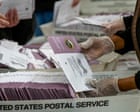
A federal judge on Tuesday blocked the US Postal Service (USPS) from implementing parts of an executive order issued by former President Donald Trump that aimed to tighten rules for mail-in voting. This ruling by US District Judge Indira Talwani in Boston effectively expands upon an earlier order she issued in June. That initial order had prevented the Trump administration from implementing the directive in 23 states, which are predominantly led by Democratic governors and legislatures. The executive order, which sought to impose stricter regulations on how mail-in ballots are handled and processed by the USPS, was seen by critics as an attempt to suppress voter turnout, particularly among demographics that tend to favor mail-in voting. Judge Talwani's decision on Tuesday specifically targeted the USPS's ability to enforce these new regulations, providing a significant victory for voting rights advocates and Democratic officials who had challenged the order. The legal battle centered on whether the executive branch, through the USPS, could unilaterally alter established voting procedures without congressional approval, and whether such actions constituted an undue burden on the right to vote. The judge's reasoning, detailed in her written opinion, is expected to be scrutinized by legal experts and may influence future challenges to election-related executive actions. The timing of the ruling, ahead of the November midterm elections which will determine control of Congress, underscores its potential impact on the electoral process. The USPS, an independent agency of the executive branch, plays a critical role in facilitating mail-in voting, and any changes to its operational procedures can have far-reaching consequences. The executive order in question had proposed several changes, including limitations on ballot collection points and stricter deadlines for ballot processing, which opponents argued would disenfranchise voters. Judge Talwani's intervention aims to preserve the status quo for mail-in voting in the affected states, at least until further legal proceedings can take place or the order is formally rescinded or amended. This development highlights the ongoing legal and political tensions surrounding voting access and election integrity in the United States, particularly in the context of increased reliance on mail-in ballots. The ruling is a setback for efforts to alter voting procedures through executive action and reinforces the judiciary's role in overseeing such matters. The implications for the upcoming midterm elections remain to be seen, but the immediate effect is the continuation of existing mail-in voting protocols in the 23 states previously covered by the June order, now with an expanded nationwide injunction against the USPS implementation of the Trump-era directive.
Original source — read the full reporting at the publisher:
Read on The Guardian WorldGet the weekly AI digest
AI news + new model releases, weekly. Drafted by our agents, reviewed by humans.