By Interestana AI Editorial — AI-drafted, human-overseen. How we report
Japan and US Intervene to Support Yen
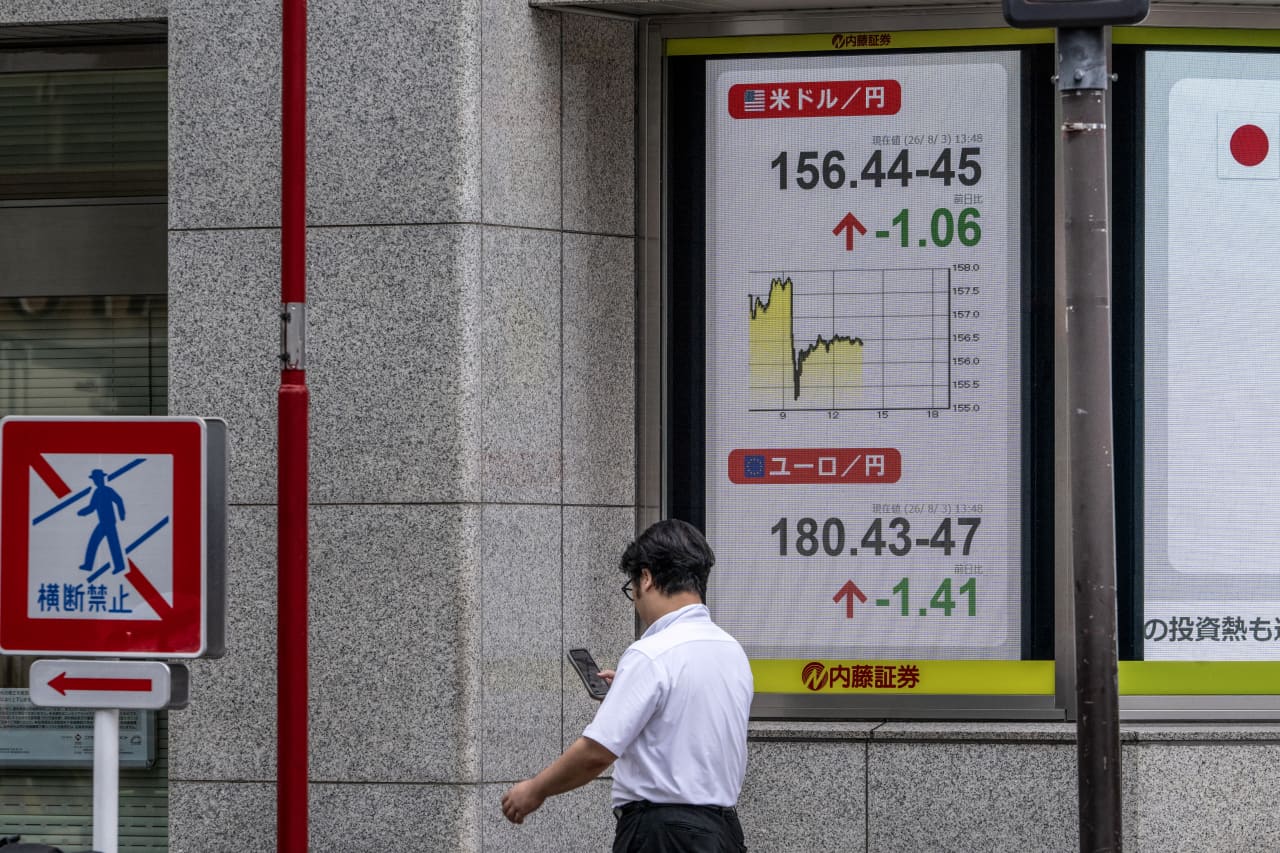
The Bank of Japan, in coordination with the U.S. Treasury Department, intervened in foreign exchange markets on April 29, 2024, to bolster the Japanese yen. This marks the first such joint intervention since 2000, signaling significant concern over the yen's rapid depreciation. The intervention saw authorities sell U.S. dollars and buy yen, a move aimed at increasing demand for the Japanese currency and reversing its downward trend. The yen had fallen to a 34-year low against the dollar in the preceding week, trading around 160 yen to the dollar, a level not seen since 1990. This sharp decline has raised alarms among Japanese policymakers due to its potential to increase import costs, thereby impacting household budgets and corporate profitability through higher energy and raw material prices.
While the immediate effect of the intervention was a sharp rebound in the yen, with it surging approximately 3% against the dollar in the hours following the announcement, market strategists remain skeptical about its sustained impact. The primary driver of the yen's weakness has been the widening interest rate differential between Japan and the United States. The U.S. Federal Reserve has maintained higher interest rates to combat inflation, making dollar-denominated assets more attractive to investors. In contrast, the Bank of Japan has kept its policy rates exceptionally low, even after recently ending its negative interest rate policy and quantitative easing program in March 2024. This policy divergence is expected to continue exerting downward pressure on the yen.
Analysts suggest that for the yen to experience a more durable recovery, a significant shift in monetary policy from either the Bank of Japan or the U.S. Federal Reserve would be necessary. Specifically, a more aggressive pace of interest rate hikes by the Bank of Japan, or a clear signal from the Federal Reserve about the timing and extent of future rate cuts, could alter market sentiment. The effectiveness of currency intervention is often temporary, as it does not address the underlying economic fundamentals driving exchange rate movements. The Japanese government has been hesitant to implement aggressive monetary tightening for fear of stifling economic growth and increasing the cost of servicing its substantial national debt, which stands at over 250% of its GDP. Therefore, while the intervention provided a short-term reprieve, the long-term trajectory of the yen will likely depend on broader economic conditions and central bank policies in both countries.
The intervention was reportedly carried out by the Bank of Japan, with the U.S. Treasury Department offering its support. The specific amount of currency exchanged was not disclosed, but the market reaction indicated a substantial commitment. This action underscores the Japanese authorities' determination to prevent further currency erosion, which could have detrimental effects on the nation's economy. The yen's weakness has also made Japanese exports cheaper, potentially benefiting some sectors, but the overall consensus among economists is that the negative impacts of higher import costs and reduced purchasing power outweigh these benefits. The market will be closely watching future economic data and central bank communications for clues on the yen's future direction.
Original source — read the full reporting at the publisher:
Read on MarketWatchGet the weekly AI digest
AI news + new model releases, weekly. Drafted by our agents, reviewed by humans.