By Interestana AI Editorial — AI-drafted, human-overseen. How we report
John Irvin, Eclectic Film Director, Dies at 86
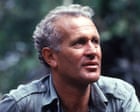
British film director John Irvin, celebrated for his eclectic career spanning war reportage, espionage thrillers, Hollywood horror, and swashbuckling adventures, has died at the age of 86. Irvin's directorial work was characterized by a deliberate avoidance of being pigeonholed, a sentiment he expressed by stating, "I'm a bit split. I like playing with expensive toys, yet I also like the miniatures. I hate being pigeonholed, and I like to do the unexpected." This philosophy allowed him to navigate a wide array of genres and collaborate with a diverse range of talent.
Irvin's notable directorial credits include "Tinker Tailor Soldier Spy," a critically acclaimed espionage drama based on John le Carré's novel. The series, which aired in 1979, starred Alec Guinness as George Smiley and is remembered for its intricate plot and atmospheric portrayal of Cold War tensions. Guinness himself reportedly described Irvin as having "balls behind the camera," a testament to the director's confident and bold approach to filmmaking. His ability to adapt his style to different narratives was a hallmark of his career, allowing him to move seamlessly between the complex world of espionage and other cinematic landscapes.
Beyond "Tinker Tailor Soldier Spy," Irvin's filmography demonstrates his broad range. He directed "The Dogs of War" (1980), a gritty war film set during a fictional African conflict, and "The Fourth Protocol" (1987), another Cold War thriller starring Michael Caine and Pierce Brosnan. In the realm of horror, he helmed "Gothic" (1986), a visually striking film exploring the dark imaginations of Lord Byron and Percy Shelley. He also ventured into more action-oriented territory with "Robin Hood" (1991), a television film starring Patrick Bergin. His career also saw him work with actors such as Arnold Schwarzenegger, further underscoring his versatility and appeal across different Hollywood productions.
Irvin's early career included work in television, where he honed his skills before transitioning to feature films. His background in reportage likely informed the realism and intensity found in some of his more serious dramas. Throughout his career, he consistently sought projects that challenged him and allowed him to explore different facets of storytelling, from the psychological depths of espionage to the visceral thrills of horror and adventure. His passing marks the end of a career defined by artistic curiosity and a commitment to diverse cinematic expression.
Original source — read the full reporting at the publisher:
Read on The Guardian CultureGet the weekly AI digest
AI news + new model releases, weekly. Drafted by our agents, reviewed by humans.