By Interestana AI Editorial — AI-drafted, human-overseen. How we report
Nvidia CEO: AI Boom to Create Six-Figure Trade Jobs
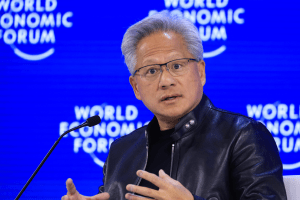
Nvidia CEO Jensen Huang stated that the burgeoning artificial intelligence industry will necessitate a massive global infrastructure build-out, creating "a lot of jobs" with six-figure salaries, particularly in skilled trades. Huang described this upcoming period as the "largest infrastructure build-out in human history," driven by the construction of sprawling data centers, chip factories, and AI facilities. He highlighted that these high-paying careers will not necessarily require advanced degrees, emphasizing opportunities for plumbers, electricians, construction workers, and steelworkers. This perspective was shared during a conversation with BlackRock CEO Larry Fink at the World Economic Forum in Davos, Switzerland, in January. Huang noted that the demand for hands-on skills in constructing these advanced facilities is already outstripping supply, with many roles offering compensation exceeding $100,000 without a college degree. A McKinsey report projected a significant need for skilled trades in the U.S. alone, estimating a requirement for an additional 130,000 trained electricians, 240,000 construction laborers, and 150,000 construction supervisors between 2023 and 2030. Huang expressed that these trades offer pathways for individuals to "make a great living" without needing a PhD in computer science. This optimistic outlook on new career paths emerging alongside AI is consistent with Huang's previous statements. In 2025, he told Channel 4 News in the U.K. that "the skilled craft segment of every economy is going to see a boom," predicting a doubling of demand "every single year." This contrasts with warnings from other industry leaders, such as Ford CEO Jim Farley, who have expressed concerns about a shortage of skilled workers needed to adapt to technological advancements and manufacturing changes. The projected global capital outlays for data centers are expected to reach $7 trillion by the end of the decade, underscoring the scale of the infrastructure development Huang anticipates. The demand for these trades is intrinsically linked to the physical construction and maintenance of the computing power and facilities required to train and deploy advanced AI models. The emphasis on tradecraft signifies a potential shift in the job market, moving beyond traditional white-collar roles often associated with the tech industry. Huang's vision suggests that the physical infrastructure supporting AI innovation will be as crucial as the software and algorithms themselves, thereby driving demand for a diverse range of skilled labor.
Original source — read the full reporting at the publisher:
Read on FortuneGet the weekly AI digest
AI news + new model releases, weekly. Drafted by our agents, reviewed by humans.