By Interestana AI Editorial — AI-drafted, human-overseen. How we report
Jellyfish Swarms Disrupt French Nuclear Power Output
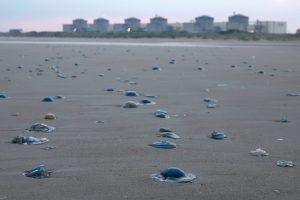
Electricite de France SA (EDF) has experienced significant disruptions to its nuclear power generation due to a massive influx of jellyfish, forcing the shutdown of three units at its Gravelines nuclear power plant and a reduction in output at a fourth. This event has collectively taken approximately 3.2 gigawatts of nuclear capacity offline, occurring at a critical juncture when demand for electricity is heightened by extremely hot weather. Parts of France are anticipating temperatures to approach 40 degrees Celsius in the immediate future, exacerbating the strain on the power grid. This summer has seen a series of heat waves across Europe, with unusually high sea temperatures off the French coast contributing to what are described as jellyfish "blooms." Nuclear power plants situated on coastlines, such as the Gravelines facility, typically utilize pumping stations that draw in seawater for cooling purposes. These systems are inherently susceptible to marine life, which can obstruct their operation. The initial disruptions began on Monday. EDF has indicated that two of the affected reactors are slated to resume operations by Wednesday night. However, the remaining two reactors, which together represent 1.8 gigawatts of capacity, may remain offline until the conclusion of the week, according to information filed with regulatory bodies. This situation is compounded by existing challenges EDF is facing at other nuclear sites located on rivers. Elevated water temperatures in these rivers restrict the ability to effectively cool reactors without risking environmental damage. The Gravelines nuclear power plant is located on the northern coast of France. This is not the first instance of such an issue at this facility; last year, swarms of jellyfish similarly clogged filter drums, leading to operational problems. The Gravelines plant is one of France's largest nuclear power stations, with six reactors. The plant's cooling systems are designed to draw in large volumes of seawater to maintain operational temperatures for the nuclear reactors. The influx of jellyfish can overwhelm the intake screens and filters designed to prevent marine organisms from entering the cooling circuits. This can lead to reduced efficiency in heat exchange and, in severe cases, necessitate a shutdown to prevent damage to critical components. The economic impact of these shutdowns includes lost revenue from electricity sales and the potential costs associated with emergency repairs or mitigation efforts. The reliance on nuclear power in France, which generates a substantial portion of the country's electricity, makes such disruptions particularly impactful on national energy security and stability. The event highlights the vulnerability of critical infrastructure to environmental factors, especially in the context of climate change and its influence on marine ecosystems and weather patterns. EDF's operational resilience and contingency planning for such ecological events are under scrutiny as the country navigates both energy demand and environmental challenges.
Original source — read the full reporting at the publisher:
Read on FortuneGet the weekly AI digest
AI news + new model releases, weekly. Drafted by our agents, reviewed by humans.