By Interestana AI Editorial — AI-drafted, human-overseen. How we report
Jeep and Ram EV Production Delayed by Months
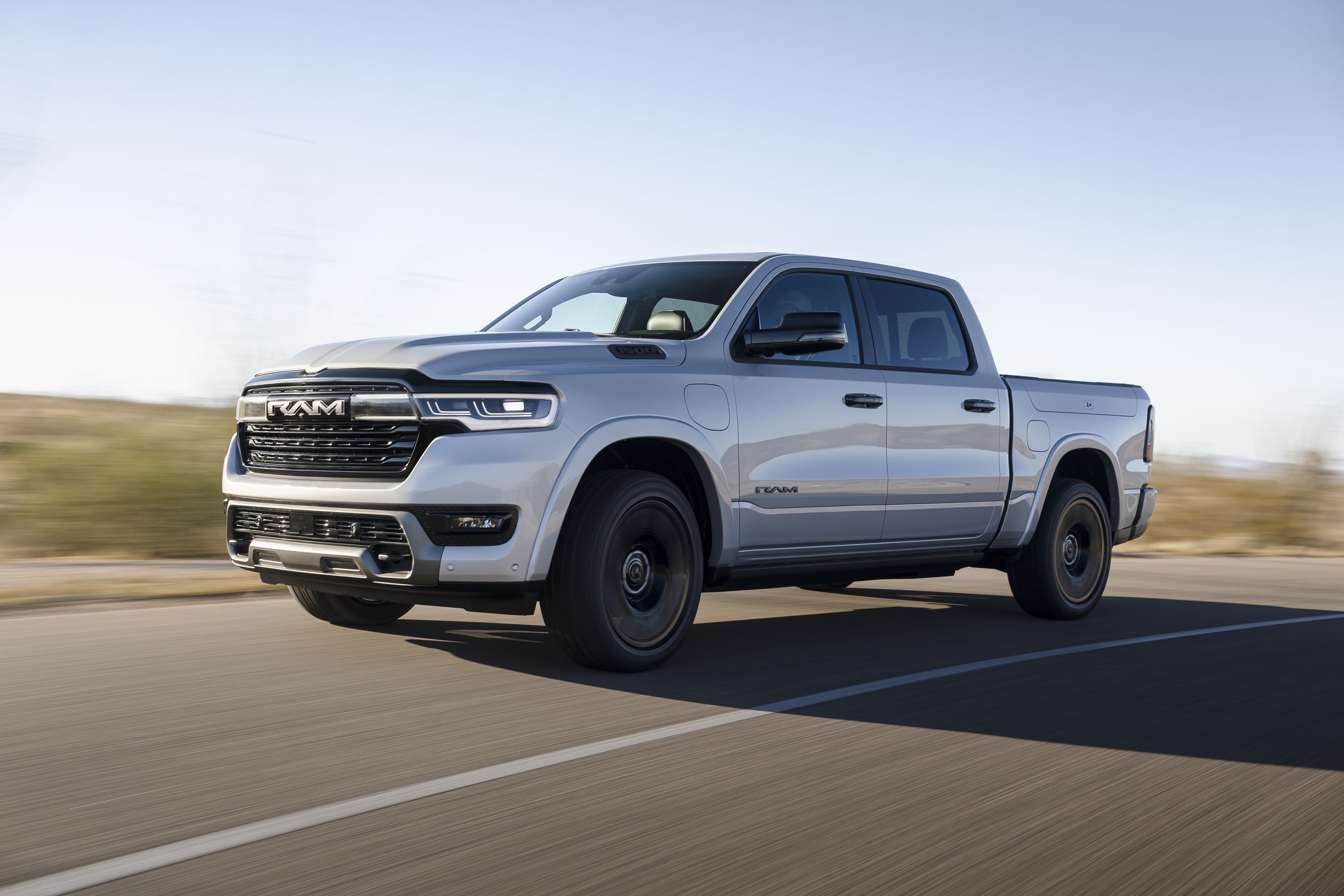
Stellantis, the automotive group that owns Jeep and Ram, has announced significant production delays for two of its upcoming electric vehicle models. The Jeep Grand Wagoneer Hybrid, initially expected to begin production this year, has been rescheduled to commence in November. This represents a delay of several months from its previously anticipated timeline. Furthermore, the Ram 1500 REV, an all-electric pickup truck, has seen its production start date pushed back to next spring, which is also several months later than originally planned. These delays impact Stellantis's broader strategy to introduce a range of electrified vehicles across its brands, aiming to compete in a rapidly evolving automotive market increasingly focused on electric powertrains. The company has been investing heavily in electrification, with plans to launch new electric models and retool existing factories to accommodate EV production. The Grand Wagoneer Hybrid is designed to offer extended range capabilities, blending electric power with a traditional internal combustion engine, targeting the luxury SUV segment. The Ram 1500 REV is intended to be a direct competitor in the burgeoning electric pickup truck market, a segment that has seen growing interest and new entrants from various manufacturers. The reasons for these specific delays have not been fully detailed by Stellantis, but such adjustments in production schedules are not uncommon in the automotive industry, often stemming from supply chain challenges, software development hurdles, or shifts in market demand and competitive landscapes. The automotive industry is currently navigating complex global supply chains, particularly for components like batteries and semiconductors, which can affect production timelines. Additionally, the development and integration of advanced software systems for electric vehicles, including battery management and driver-assistance features, can require extensive testing and refinement. The extended-range hybrid technology in the Grand Wagoneer aims to address range anxiety, a common concern for consumers considering the transition to electrified vehicles, by providing a backup power source. The Ram 1500 REV's delay means that Ram will have to wait longer to directly challenge rivals in the electric pickup truck space, which has already seen models like the Ford F-150 Lightning and the Chevrolet Silverado EV reach the market. Stellantis has outlined ambitious electrification goals, including a significant portion of its sales to be battery-electric vehicles by the end of the decade. These delays, while potentially frustrating for consumers and investors, are being managed within the context of these larger strategic objectives. The company's ability to adapt to these production challenges will be crucial for its long-term success in the electric vehicle era. The specific timing of the November start for the Grand Wagoneer Hybrid and the spring 2025 start for the Ram 1500 REV indicates a phased approach to bringing these new electrified offerings to market, with the luxury SUV taking precedence in the immediate production schedule.
Original source — read the full reporting at the publisher:
Read on Car and DriverGet the weekly AI digest
AI news + new model releases, weekly. Drafted by our agents, reviewed by humans.