By Interestana AI Editorial — AI-drafted, human-overseen. How we report
Javier Milei Accuses US Democrats of World Cup Campaign
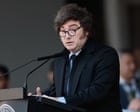
Argentine President Javier Milei asserted on July 28, 2026, that a coordinated "anti-Argentina campaign" was responsible for criticism directed at his nation's football team during the recent World Cup. This campaign, according to Milei, included accusations of racism among Argentine fans and conspiracy theories suggesting preferential treatment for Lionel Messi's team by FIFA. The president specifically implicated US Democrats in financing this alleged campaign, stating that online critics "do not want the ideas of freedom to succeed." Milei extended his accusations to include Brazil and Mexico, suggesting their involvement in the "anti-Argentina campaign."
The World Cup concluded over a week prior to Milei's statements, with Spain securing their second World Cup title following an extra-time goal by Ferran Torres. Despite the tournament's conclusion, Milei indicated that the competition, in his view, was not entirely over due to the perceived external interference. His remarks were made in the context of ongoing political and economic discussions surrounding his presidency, which has focused on libertarian and free-market principles. Milei's administration has been characterized by significant policy shifts aimed at reducing state intervention and liberalizing the economy.
Milei's accusations highlight a broader pattern of his administration engaging with international narratives and perceived opposition. His presidency, which began in December 2023, has seen him advocate for a strong stance against what he terms "socialism" and "collectivism," often framing political and economic challenges as ideological battles. The World Cup, a globally significant event with substantial cultural and nationalistic resonance, appears to have become a new arena for these ideological contests, according to the president's public statements. The specific nature of the alleged financing by US Democrats and the mechanisms through which this "campaign" operated remain unspecified in Milei's public declarations. However, his framing suggests a belief in a concerted effort to undermine Argentina's standing and potentially its political direction through international sporting events.
The president's comments also draw attention to the intersection of sports, politics, and international relations. The World Cup final, which saw Argentina compete, generated significant global attention. Milei's interpretation of the ensuing discussions and criticisms as a politically motivated "campaign" suggests a worldview where international events are viewed through a lens of ideological conflict. His targeting of specific political groups within the United States, as well as neighboring countries like Brazil and Mexico, underscores his perception of a widespread opposition to his "ideas of freedom" on a global scale. This rhetoric positions his administration as a bulwark against perceived international forces seeking to impede his agenda, utilizing even the platform of a major sporting event to articulate these concerns.
Original source — read the full reporting at the publisher:
Read on The Guardian WorldGet the weekly AI digest
AI news + new model releases, weekly. Drafted by our agents, reviewed by humans.