By Interestana AI Editorial — AI-drafted, human-overseen. How we report
Jason Isbell’s Suno Lawsuit Targets Identity Theft Beyond AI Copyright
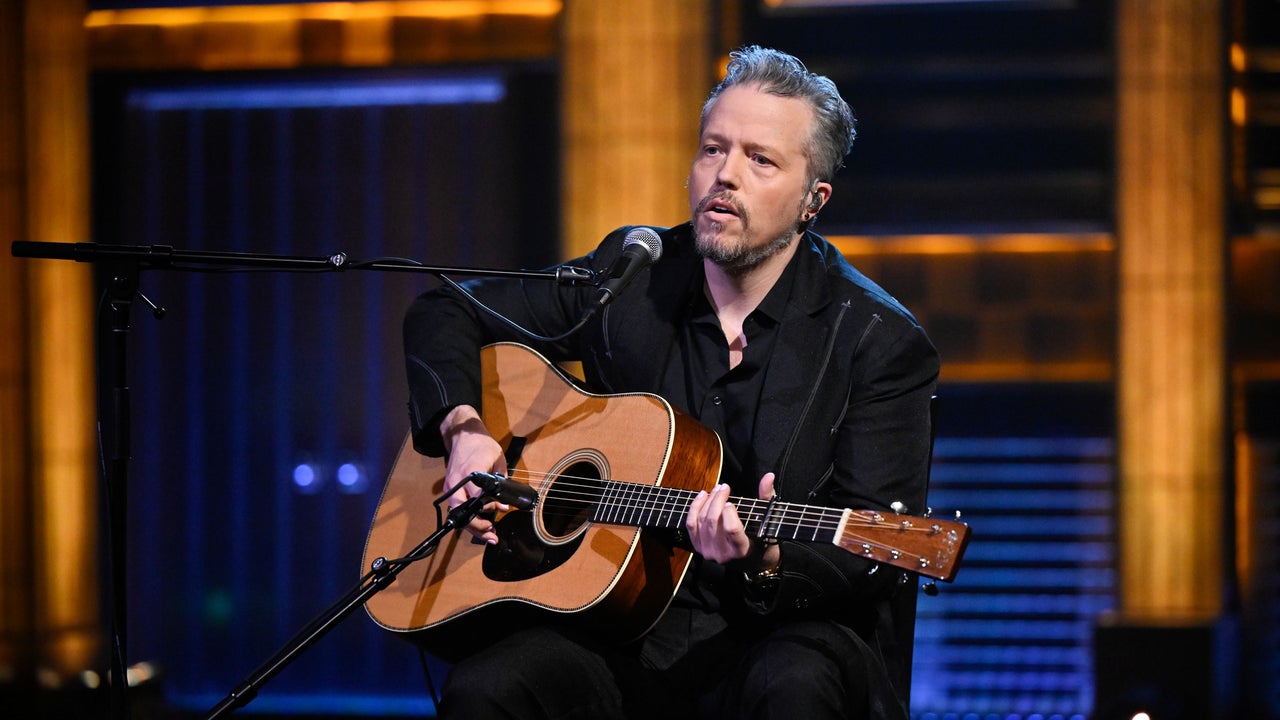
Musician Jason Isbell, a Grammy-winning artist known for his critically acclaimed songwriting and distinctive musical style, has initiated a significant legal action against Suno, an artificial intelligence company specializing in AI-generated music. He is joined in this lawsuit by a notable group of fellow artists, including David Lowery, the frontman for the influential alternative rock bands Cracker and Camper Van Beethoven, Texas blues singer-songwriter Guy Forsyth, and acclaimed saxophonist Eduardo Calle. The legal complaint was formally filed in the U.S. District Court in Massachusetts, a jurisdiction often involved in complex intellectual property and technology-related disputes.
The crux of the artists' grievance lies not in the traditional realm of copyright infringement, which typically involves the unauthorized reproduction of specific creative works. Instead, the lawsuit focuses on the more novel and arguably more insidious claim of identity misappropriation and exploitation. The plaintiffs contend that Suno's AI technology allows users to generate new musical compositions that closely mimic the unique stylistic signatures, vocal inflections, and overall artistic identity of established musicians. They argue that this capability effectively enables the "stealing" of an artist's individual style without their consent, permission, or any form of compensation, thereby devaluing their creative labor and personal brand.
What sets this lawsuit apart is its unconventional framing, eschewing typical legalistic opening statements for a philosophical and cultural analogy. The filing opens with an essay referencing the Borg, a fictional collective from the popular science fiction series *Star Trek: The Next Generation*. The Borg are depicted as a terrifying antagonist force that assimilates other species, stripping them of their individuality and autonomy to serve a collective, emotionless machine intelligence. This analogy is strategically employed to illustrate the plaintiffs' central argument: that Suno's AI operates in a manner akin to the Borg, consuming and repurposing the identifying attributes of musicians to create derivative works, thereby violating individual artistic autonomy.
The lawsuit elaborates on this comparison, stating, "Suno possesses something uncomfortably like the Borg Collective itself: a vast database of tokens, each capturing the identifying attributes of musicians, organized into formulas whose very existence is defined by the identities Suno ingested." The plaintiffs firmly assert that "Jason Isbell’s musical identity does not cease to be his property merely because sophisticated technology is involved." This highlights their belief that an artist's unique style and identity are inherent forms of intellectual property that should be protected, irrespective of the advanced technological means used to replicate them.
The artists are pursuing class-action status for their complaint, aiming to represent a broader group of musicians potentially affected by Suno's practices. They are seeking unspecified damages to compensate for the alleged harm caused. In response to the lawsuit, Suno has issued a statement to Fast Company, vehemently denying any wrongdoing and asserting that it believes the claims are without merit. The company has indicated its intention to vigorously contest the allegations, setting the stage for a potentially landmark legal battle that could define the ethical and legal boundaries of AI in creative industries and the protection of artists' identities in the digital age.
Original source — read the full reporting at the publisher:
Read on Fast CompanyGet the weekly AI digest
AI news + new model releases, weekly. Drafted by our agents, reviewed by humans.