By Interestana AI Editorial — AI-drafted, human-overseen. How we report
Japan Boosts Defense Spending and Capabilities
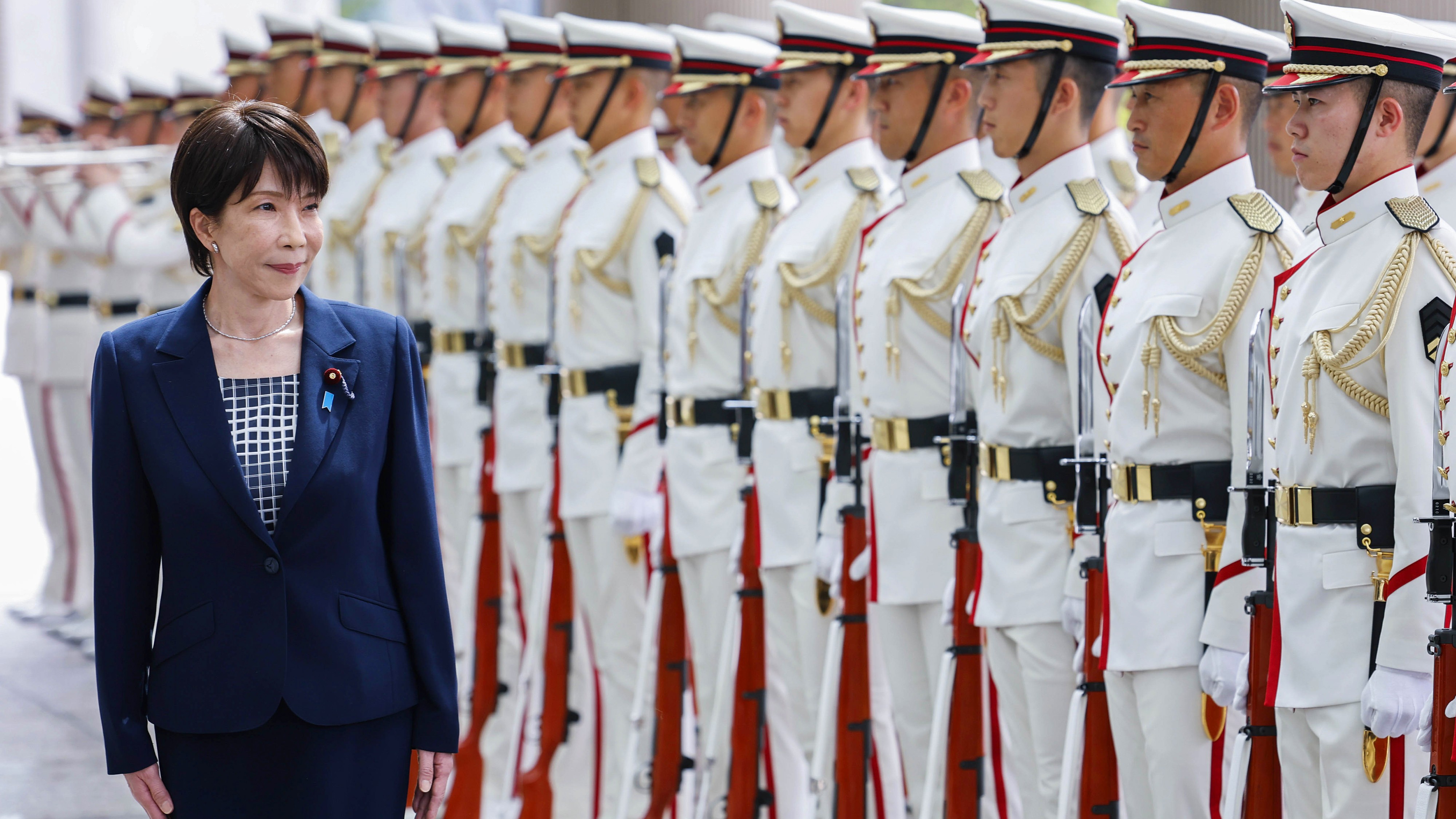
Japan is implementing a series of significant defense policy shifts, marking a departure from its post-World War II pacifist stance. These changes are driven by escalating regional security concerns, particularly regarding China's growing military assertiveness and North Korea's missile programs. The Japanese government has committed to a substantial increase in defense spending over the next five years, aiming to reach approximately 2% of its Gross Domestic Product (GDP) by fiscal year 2027. This represents a notable escalation from previous defense budgets, which were typically kept below 1% of GDP.
Key to this defense overhaul is the acquisition of new offensive capabilities, a move previously constrained by constitutional interpretations. Japan plans to procure long-range strike missiles, including the U.S.-made Tomahawk cruise missiles, and is developing its own indigenous long-range missiles. These capabilities are intended to bolster its "counter-strike" capacity, allowing it to deter potential adversaries by threatening their bases and command centers. The government has also announced plans to significantly increase its cyber warfare capabilities and invest in space-based defense technologies, recognizing the evolving nature of modern conflict. This strategic pivot is supported by a revised National Security Strategy, National Defense Strategy, and Defense Buildup Program, all approved in December 2022, which outline the nation's new security priorities and the path to achieving them.
The increased defense spending will also fund the modernization of existing Self-Defense Forces (SDF) units, including the navy, air force, and ground forces. Japan is investing in advanced fighter jets, submarines, and unmanned aerial vehicles (UAVs) to enhance its operational readiness and technological edge. Furthermore, the country is strengthening its alliances, particularly with the United States, through joint military exercises and interoperability enhancements. The defense reforms also include a focus on improving resilience and response capabilities in the event of a crisis, such as natural disasters or attacks on critical infrastructure. This comprehensive approach aims to create a more robust and agile defense posture capable of responding to a wider range of threats.
These defense initiatives are not without domestic debate, with some questioning the financial burden and the potential implications for regional stability. However, the government maintains that these measures are essential for safeguarding Japan's sovereignty and ensuring peace and security in the Indo-Pacific region. The shift reflects a broader re-evaluation of Japan's role in international security, moving towards a more proactive and capable defense force that can contribute more significantly to collective security arrangements. The implementation of these ambitious plans is expected to unfold over the coming years, with significant budgetary allocations and procurement processes already underway.
Original source — read the full reporting at the publisher:
Read on The AtlanticGet the weekly AI digest
AI news + new model releases, weekly. Drafted by our agents, reviewed by humans.