By Interestana AI Editorial — AI-drafted, human-overseen. How we report
Japan's PM Takaichi's 'Efficiency' Drive Sparks Criticism Amidst Plummeting Approval Ratings
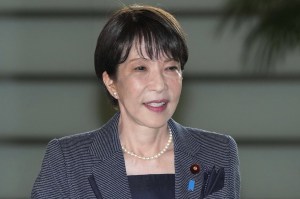
Japanese Prime Minister Sanae Takaichi has adopted an "efficiency" strategy, increasingly utilizing her official residence, known as the "kotei," as an extended workspace. This historic brick-and-stone mansion, built in 1929 and formerly the original prime minister's office before the current adjacent building was constructed, became Takaichi's residence in December. She articulated on the social media platform X that the residence's prime location, adjacent to her office, eliminates commute time, enabling immediate engagement with work, particularly crucial during emergencies. To further this objective, Takaichi has reinforced the residence's functions to accommodate both remote and in-person meetings with her staff at any hour, and she routinely takes official documents home for review. She explicitly stated, "To me, the official residence is also a workplace," underscoring her commitment to an all-encompassing work environment. However, this intense dedication, coupled with her public pronouncements on X detailing a mere zero to three hours of sleep per night due to domestic responsibilities and the demanding workload of the prime ministership, has ignited significant criticism. Opponents argue that as Japan's first female leader, Takaichi is inadvertently setting a detrimental precedent regarding work-life balance and gender equality, issues that are particularly sensitive in Japanese society. Her support ratings have reportedly experienced a rapid decline, coinciding with her push for unpopular policies. Notable among these is a proposed revision to the Imperial House Law, which aims to reinforce a male-only succession system, a move that has faced considerable opposition. Simultaneously, she has been criticized for delaying the implementation of economic measures designed to address the persistent issue of rising prices, a key concern for Japanese households. Media reports have further suggested that Takaichi has been largely avoiding parliamentary sessions, opting to spend most nights and weekends secluded within the official residence. This perceived isolation has led to significantly reduced interactions and communication with other lawmakers and government officials when compared to her predecessors. Instead of engaging with traditional media outlets, Takaichi has increasingly relied on X to disseminate her comments and policy stances directly to the public. The official residence itself carries a historical weight, having been the site of two bloody coup attempts in the 1930s and subject to local legends of hauntings. Despite this backdrop, Takaichi appears unfazed by the prospect of spending extended periods within its walls, even as her public approval ratings continue to wane.
Original source — read the full reporting at the publisher:
Read on FortuneGet the weekly AI digest
AI news + new model releases, weekly. Drafted by our agents, reviewed by humans.