By Interestana AI Editorial — AI-drafted, human-overseen. How we report
Japanese Artist Yayoi Kusama Dies at 97
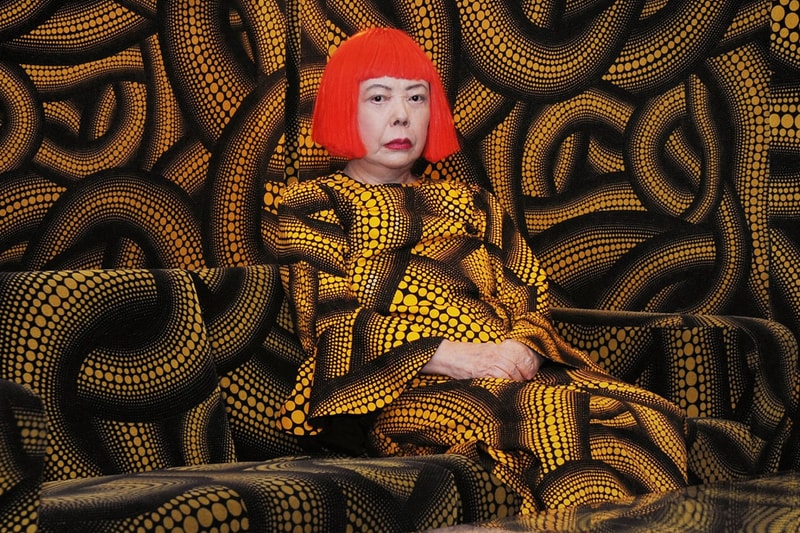
Japanese artist Yayoi Kusama, a seminal figure in contemporary art known for her distinctive polka dots, pumpkins, and immersive mirrored rooms, died on August 14 at the age of 97. Her studio released an official statement on Thursday, confirming her passing at a Tokyo hospital. Kusama, born in Matsumoto, Japan, in 1929, cultivated an avant-garde artistic practice spanning over seven decades. Her work transformed deeply personal experiences into a unique visual language, significantly influencing the perception of contemporary art for subsequent generations. Kusama began drawing flowers in her childhood as a coping mechanism for lifelong hallucinations, which included visions of talking swarms of flowers. The dense fields of polka dots and recurring symbols served as a grounding element amidst her perception of the world's vastness. Art also functioned as a vehicle for social critique, allowing her to address themes such as shame and desire while embracing the "outsider" label within the New York art scene. In a 1965 interview, Kusama expressed her indifference to posthumous classification, stating, "It feels good to be an outsider." Throughout her career, Kusama consistently explored themes of repetition and her concept of "self-obliteration," which describes the dissolution of the self into an infinite universe. This concept was vividly realized in her "Infinity Mirror Rooms" series, which she began later in 1965. One of her most celebrated works is "Narcissus Garden," an unsanctioned installation at the 1966 Venice Biennale. This piece, featuring a "lake" of 1,500 reflective balls, examined the role of vanity and the pursuit of salvation within the art world context of the time. Kusama sold these balls for $2 each under the slogan "Your narcissism for sale" before the Biennale authorities intervened and shut down the display. In 1977, Kusama voluntarily admitted herself to Seiwa mental hospital in Tokyo. This facility provided the stable environment necessary for her to continue her demanding artistic projects. She resided there permanently, commuting daily to her nearby studio to work. Since her institutionalization, Kusama's work has been the subject of numerous major retrospectives and exhibitions worldwide, solidifying her legacy as one of the most influential artists of the 20th and 21st centuries. Her unique artistic vision and profound exploration of psychological and existential themes have left an indelible mark on the global art landscape.
Original source — read the full reporting at the publisher:
Read on HypebeastGet the weekly AI digest
AI news + new model releases, weekly. Drafted by our agents, reviewed by humans.