By Interestana AI Editorial — AI-drafted, human-overseen. How we report
Jamba Juice Franchise Terminations Lead to Store Closures
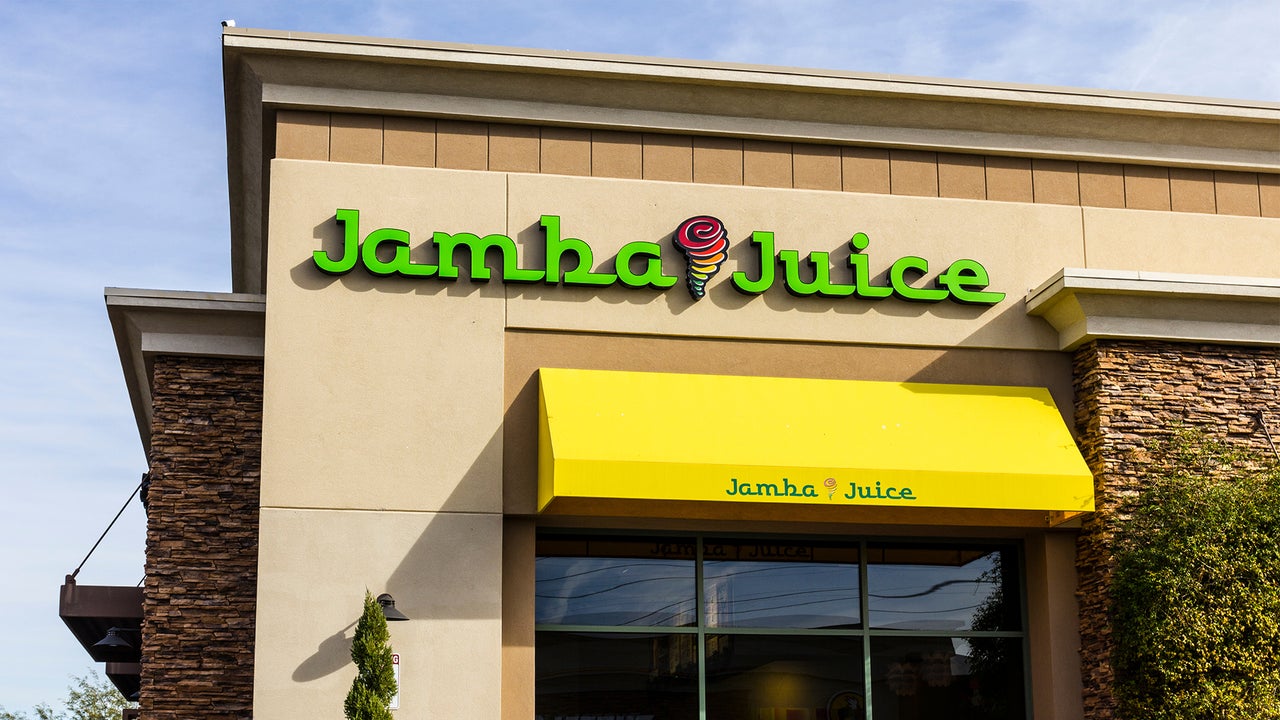
Jamba Juice has revealed a significant number of franchise terminations, indicating a high-risk investment environment for prospective franchisees. In its 2026 franchise disclosure document (FDD), the smoothie chain disclosed that 130 Jamba Juice franchise agreements have not been sustained over the past three years. The document explicitly warns that opening a Jamba Juice "could be a higher risk investment than a franchise in a system with a lower turnover rate." This elevated turnover rate is predominantly driven by franchise terminations, with approximately 116 Jamba Juice franchises being terminated since the beginning of 2023. During the same three-year period, only 13 franchises were categorized as non-renewals, and a single store ceased operations for other unspecified reasons. This high termination rate contrasts sharply with competitors in the quick-service restaurant industry. For instance, Tropical Smoothie Cafe, which operates a considerably larger number of locations, experienced only 28 terminations over the identical three-year timeframe. Planet Smoothie, a smaller competitor, reported a mere 4 terminations during the same period. Jamba Juice is currently under the ownership of GoTo Foods, a retail conglomerate that is backed by the private equity firm Roark Capital Group. Roark Capital Group's portfolio also includes other well-known chains such as Cinnabon, Auntie Anne's, and Carvel. The specific reasons behind Jamba's unusually high termination rate remain undisclosed. However, provisions within its disclosure document outline that Jamba Juice reserves the right to terminate a franchise agreement if the franchisee is found to be in default. Such defaults can include failure to meet financial obligations, such as paying debts, or refusal to permit required inspections. Franchisees, conversely, have limited grounds for termination, typically restricted to circumstances permitted by state-specific laws. The disclosure document does not specify the subsequent fate of these terminated franchises, such as whether they were acquired by new franchisees, bought out by the original owner, or if the store locations were permanently closed. In the fast-service restaurant sector, a franchise termination does not always equate to the immediate closure of the physical store. Often, these locations can be taken over by another franchisee or purchased by the existing franchise owner. The lack of clarity on these outcomes further contributes to the uncertainty surrounding the brand's franchise model and its national retail presence.
Original source — read the full reporting at the publisher:
Read on Fast CompanyGet the weekly AI digest
AI news + new model releases, weekly. Drafted by our agents, reviewed by humans.