By Interestana AI Editorial — AI-drafted, human-overseen. How we report
Farmers Cite Climate Crisis Speed Devastating Crops
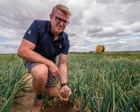
Farmers in Europe are facing unprecedented challenges due to the accelerating speed of the climate crisis, with drought and extreme heat decimating crops and threatening the viability of agricultural businesses. Tim Young, a farmer from Norfolk, England, has observed a significant decline in rainfall on his family's farm since 1976, noting that the last six years have received only two-thirds of the precipitation compared to previous periods. This water scarcity has become the primary risk to his operation, highlighting a widespread issue affecting agricultural productivity across the continent. The current summer has been marked by record-breaking heatwaves across Europe, exacerbating drought conditions and contributing to "apocalyptic" wildfires. In France, President Emmanuel Macron described the wildfires as the most severe since World War II, making farming operations nearly impossible in affected regions. Simultaneously, half of England was officially declared to be in drought in July, following a period of winter floods, with the month anticipated to be the driest on record according to the Environment Agency. These extreme weather events are not isolated incidents but are indicative of a broader trend of climate change impacting food production. The combination of prolonged dry spells and intense heat stress plants, leading to reduced yields and crop failures. This directly translates into higher food prices for consumers as supply diminishes. For farmers, the economic consequences are severe, with some operations becoming unviable due to the consistent losses and increased costs associated with managing extreme weather. The unpredictable nature of these events, characterized by their speed and intensity, makes it difficult for farmers to adapt their practices and mitigate the damage. The situation underscores the urgent need for adaptive strategies and potentially systemic changes within the agricultural sector to cope with a rapidly changing climate. The resilience of farming communities is being tested as they grapple with the immediate impacts of climate-induced weather patterns, while also facing the long-term implications for food security and rural economies. The data collected by farmers like Tim Young, tracking rainfall and weather patterns over decades, provides concrete evidence of these shifts and serves as a stark warning about the escalating climate crisis.
Original source — read the full reporting at the publisher:
Read on The Guardian EnvironmentGet the weekly AI digest
AI news + new model releases, weekly. Drafted by our agents, reviewed by humans.