By Interestana AI Editorial — AI-drafted, human-overseen. How we report
AI's Repetitive Writing Tic Persists
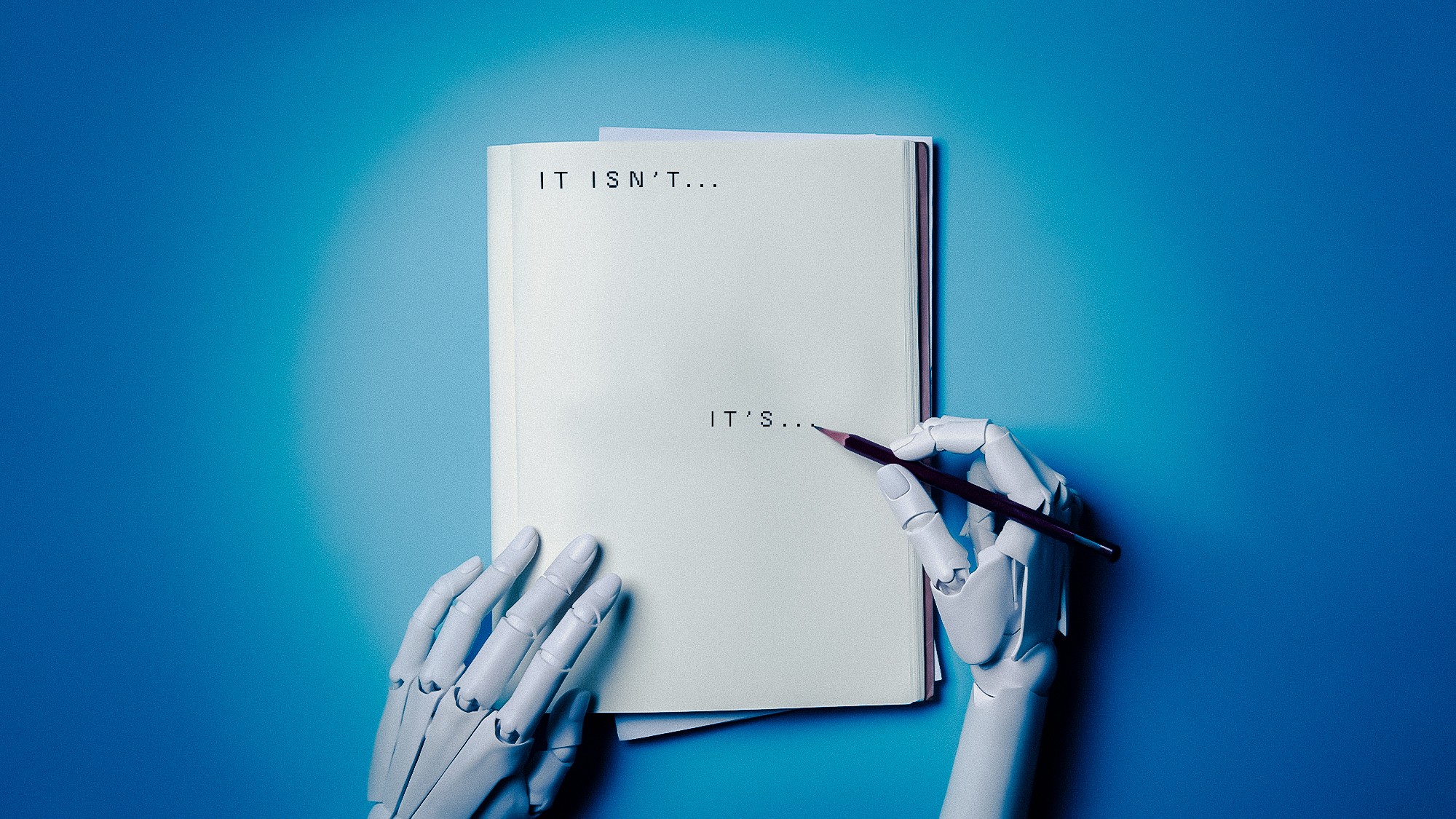
The pervasive tendency for AI-generated text to repeat phrases and sentence structures, often referred to as a "writing tic," remains a persistent challenge in natural language processing. This phenomenon, characterized by the overuse of certain words, phrases, or grammatical constructions, has been observed across various large language models (LLMs) and continues to be a subject of research and development.
Despite significant advancements in AI's ability to generate human-like text, the elimination of these repetitive patterns has proven to be more complex than initially anticipated. Developers and researchers are exploring various techniques to mitigate this issue, including improved training data, refined model architectures, and advanced post-processing methods. However, the inherent nature of how LLMs learn and generate text, often by predicting the most probable next word or phrase, can inadvertently lead to the reinforcement of these stylistic quirks.
The impact of this tic extends beyond mere stylistic annoyance. In professional contexts, such as content creation, journalism, or academic writing, repetitive AI-generated text can undermine credibility and reader engagement. The expectation for AI tools is to produce polished, varied, and nuanced prose, and the presence of these predictable patterns falls short of that standard. Efforts to address this are ongoing, with a focus on enhancing the diversity and naturalness of AI-generated output.
While specific models or companies are not explicitly named in the context of this ongoing issue, the challenge is broadly recognized within the artificial intelligence community. The goal is to achieve a level of linguistic sophistication in AI that not only conveys information accurately but also does so with the stylistic variety and originality characteristic of skilled human writers. The "inescapable" nature of this tic suggests that it is a deeply embedded aspect of current AI generation capabilities that will require continued innovation to overcome.
Original source — read the full reporting at the publisher:
Read on The AtlanticGet the weekly AI digest
AI news + new model releases, weekly. Drafted by our agents, reviewed by humans.