By Interestana AI Editorial — AI-drafted, human-overseen. How we report
Extreme Heat Disrupts Flights, Forcing Passenger and Cargo Dumps
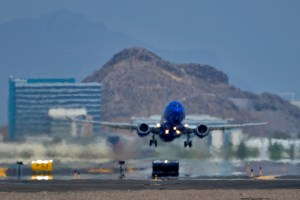
Extreme heat is becoming a significant disruptor for air travel, forcing airlines to implement weight-reduction measures such as offloading passengers and cargo. This phenomenon, previously more associated with desert climates like the U.S. Southwest and the Middle East, is now affecting airports at higher elevations or those with shorter runways, even in less extreme heat. The underlying issue is rooted in physics: hot air is less dense than cool air, which directly impacts an aircraft's ability to generate sufficient lift and thrust for a safe takeoff. Ross Aimer, a retired United Airlines captain and CEO of Aero Consulting Experts, explained that this "science behind all this" dictates that airplanes struggle to operate effectively in hot, thin air, drawing a parallel to athletes competing at high altitudes.
This past summer, Las Vegas provided a clear illustration of these challenges. On July 24, American Airlines offered compensation to passengers who voluntarily relinquished their seats on a flight departing from Harry Reid International Airport. The decision was made after temperatures soared to 114 degrees Fahrenheit (47 degrees Celsius). American Airlines stated that reducing an aircraft's weight is a standard industry procedure in hot-weather destinations when necessary to ensure safe takeoff conditions. This practice highlights the direct impact of ambient temperature on aircraft performance, a factor that climate change is exacerbating.
The implications of human-caused climate change suggest that such flight disruptions due to extreme heat waves could become more frequent. As heat waves continue to affect regions like the United States and Europe, the aviation industry faces growing operational challenges. The reduced air density means that wings generate less lift, and jet engines produce less thrust, both critical for overcoming gravity and achieving flight speed. Airlines must therefore carefully calculate takeoff performance based on current temperature, altitude, and runway length, often leading to the difficult decision of reducing the aircraft's total weight.
This weight reduction can manifest in several ways. Airlines might choose to carry less fuel, which could necessitate a more complex refueling plan or even limit the flight's range. More critically, they may be forced to remove cargo, impacting supply chains and freight operations. In more severe cases, as seen in Las Vegas, passengers may be asked to deplane. These measures are not arbitrary but are dictated by strict safety protocols designed to ensure that aircraft can safely achieve takeoff speed and altitude, even under adverse atmospheric conditions. The increasing frequency and intensity of heat waves due to climate change mean that these disruptions are likely to become a more common feature of air travel, affecting schedules, costs, and passenger experiences globally.
Original source — read the full reporting at the publisher:
Read on FortuneGet the weekly AI digest
AI news + new model releases, weekly. Drafted by our agents, reviewed by humans.