By Interestana AI Editorial — AI-drafted, human-overseen. How we report
Argentine Community Cleans Reconquista River
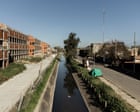
In the San Martín district of Buenos Aires province, the community of Costa Esperanza has embarked on a determined effort to remediate the Reconquista River, which has been identified as Argentina's second most polluted river. This initiative was galvanized by residents who, over two decades ago, witnessed the severe degradation of their local waterway. The community's name, Costa Esperanza, meaning "Hope Coast," was inspired by a fictional location from the popular Argentine youth telenovela "Verano del 98," a stark contrast to the environmental realities they face.
The Reconquista River has been severely impacted by a confluence of pollutants, including untreated sewage, industrial waste, and even animal carcasses, leading to its designation as one of the country's most contaminated bodies of water. The environmental crisis on the Reconquista River has had profound consequences for the surrounding communities, affecting public health, local ecosystems, and the overall quality of life for residents living along its banks. The persistent pollution has transformed the riverbanks from potentially scenic areas into environmental hazards.
The cleanup efforts in Costa Esperanza are largely community-driven, with residents actively participating in removing debris and waste from the river and its surroundings. These grassroots initiatives aim to restore the river's ecological balance and improve the living conditions for the approximately 4 million people who reside within the Reconquista River basin. The scale of the pollution presents a formidable challenge, requiring sustained dedication and collective action from the local population. The long-term goal is to transform the river into a healthier environment for both wildlife and human inhabitants.
This community-led environmental action highlights the critical role of local engagement in addressing large-scale pollution issues. The residents of Costa Esperanza are not only tackling the immediate problem of waste removal but are also advocating for broader systemic changes to prevent future contamination. Their work serves as an example of how dedicated communities can initiate significant environmental improvements, even in the face of overwhelming challenges. The success of their efforts could pave the way for similar initiatives in other polluted areas across Argentina and beyond, demonstrating the power of collective responsibility in environmental stewardship.
Original source — read the full reporting at the publisher:
Read on The Guardian EnvironmentGet the weekly AI digest
AI news + new model releases, weekly. Drafted by our agents, reviewed by humans.