By Interestana AI Editorial — AI-drafted, human-overseen. How we report
Private Schools and Golf Courses Exempt from UK Hosepipe Bans
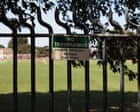
In England, as drought conditions persist and many regions face hosepipe bans, private schools and golf courses are reportedly exempt from these restrictions, allowing them to maintain lush green grounds. This disparity has drawn attention as public parks turn brown and residents are advised to conserve water. The exemptions mean that facilities like the playing fields of St Paul's school in Barnes, south-west London, where annual fees can reach £57,000, remain a vibrant green, contrasting sharply with the parched landscape elsewhere. This situation arises even during school holidays when recreational areas might typically see reduced usage but still require watering.
The exemptions for sports pitches, including those at private educational institutions and golf courses, are a long-standing provision within water use regulations. These facilities are often considered essential for maintaining sporting activities and the infrastructure required for them. While the specific legal basis for these exemptions can vary, they are generally understood to allow for the continued watering of playing surfaces to prevent damage and ensure their usability. This contrasts with the general public's restrictions, which aim to conserve water resources during periods of low rainfall and high demand.
The ongoing drought in England has led to significant water scarcity, prompting several water companies to implement temporary use bans, commonly known as hosepipe bans. These bans typically prohibit the use of hosepipes for watering gardens, washing cars, and filling swimming pools. The aim is to reduce the strain on water supplies and protect the environment, particularly rivers and groundwater levels, which are critical for ecosystems. The Environment Agency has reported that parts of southern England have experienced over a month without significant rainfall, exacerbating the dry conditions.
The continued greening of private school grounds and golf courses, while the general public faces restrictions, highlights a perceived inequity in water management during environmental crises. Critics argue that such exemptions, even if legally permissible, undermine the collective effort required to address drought and conserve water. The visual contrast between well-watered private facilities and the dry public spaces serves as a potent symbol of this divide, raising questions about fairness and the prioritization of resources during times of scarcity. The situation underscores the complex challenges of balancing essential services, recreational needs, and environmental conservation in the face of climate change impacts.
Original source — read the full reporting at the publisher:
Read on The Guardian EnvironmentGet the weekly AI digest
AI news + new model releases, weekly. Drafted by our agents, reviewed by humans.