By Interestana AI Editorial — AI-drafted, human-overseen. How we report
Barbican Festival Celebrates Pan-Africanism's History
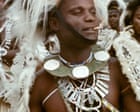
The Barbican Centre in London is presenting 'Project a Black Planet: Film,' a new season of screenings that highlights the historical significance of Pan-Africanism as a movement of solidarity, resistance, and creativity. The festival draws inspiration from the first Pan-African Cultural Festival (Panaf) held in Algiers in July 1969. This event transformed the Algerian capital into a continental hub over 12 days, welcoming delegates and performers from across Africa.
William Klein's documentary, 'The Pan-African Festival of Algiers,' captures the spirit of the 1969 festival, illustrating a blurring of lines between performers and audiences. The film features a quote from Guinea's first president, Sékou Touré, emphasizing the necessity of revolution with the people and the organic emergence of artistic expression. The festival at the Barbican aims to bring these historical narratives to a contemporary audience, showcasing the movement's multifaceted impact.
Pan-Africanism, as exemplified by the Algiers festival, was more than just a cultural gathering; it represented a powerful political and social statement. The screenings at the Barbican are expected to delve into the diverse expressions of this ideology through cinema, examining its evolution and enduring legacy. The event serves as a platform to reflect on the historical context of decolonization and the ongoing pursuit of continental unity and self-determination within Africa and its diaspora.
Original source — read the full reporting at the publisher:
Read on The Guardian CultureGet the weekly AI digest
AI news + new model releases, weekly. Drafted by our agents, reviewed by humans.