By Interestana AI Editorial — AI-drafted, human-overseen. How we report
Paul Simon's Graceland Celebrates 40 Years of Divisive Brilliance
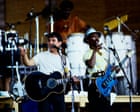
Paul Simon's seminal 1986 album, Graceland, is being recognized 40 years after its release, marking a significant milestone for a work celebrated for its masterful musicianship and complex, often divisive, legacy. The album's genesis can be traced back to the summer of 1984, a period of personal and professional challenges for Simon. His previous Simon and Garfunkel tour had concluded with discord, and his recent solo albums had not achieved significant commercial success. Concurrently, his marriage to actress Carrie Fisher was beginning to falter. During this introspective time, Simon, then 43 years old, was engaged in the construction of a beach house in Montauk, Long Island. These drives from Manhattan to Montauk became a crucial period for musical discovery, often soundtracked by a bootleg cassette tape featuring mbaqanga, a South African musical genre characterized by accordion-driven melodies, jazz rhythms, and vibrant guitar chords. This music, received from a friend, planted the seeds for what would become Graceland, widely regarded as the pinnacle of Simon's discography. Ashley Kahn, author of the new book "Days of Miracle and Wonder," which chronicles the album's creation, noted that such road trips provided a space for self-reflection and introspection for many in that era, with music from the radio or personal cassette collections serving as the primary companions. Graceland emerged from Simon's deep engagement with South African musical traditions, a collaboration that was groundbreaking yet controversial due to the apartheid regime then in place. Simon defied the cultural boycott against South Africa, a decision that drew criticism from some quarters but ultimately led to a unique artistic fusion. The album features collaborations with prominent South African musicians, including Ladysmith Black Mambazo, a vocal group known for its isicathamiya a cappella style, and musicians like guitarist Ray Phiri and bassist Bakithi Kumalo. The recording sessions took place in Johannesburg, a move that was unprecedented for a Western artist at the time and underscored the album's pioneering spirit. Graceland went on to achieve immense critical and commercial success, selling over 14 million copies worldwide and earning a Grammy Award for Album of the Year in 1987. Its innovative blend of folk, rock, and mbaqanga influenced a generation of musicians and introduced South African music to a global audience. However, the album's creation remains a subject of debate, with discussions often centering on the ethics of recording in South Africa during apartheid and the power dynamics inherent in such collaborations. Despite the controversies, the album's musical brilliance and its impact on cross-cultural artistic exchange continue to be acknowledged, solidifying its place as a landmark achievement in popular music history.
Original source — read the full reporting at the publisher:
Read on The Guardian CultureGet the weekly AI digest
AI news + new model releases, weekly. Drafted by our agents, reviewed by humans.