By Interestana AI Editorial — AI-drafted, human-overseen. How we report
Graphic Novel 'The Book of Genocides' by Dana Walrath Confronts Holocaust and Palestinian Experiences, Anticipates Israeli Ban
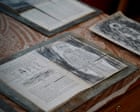
Artist Dana Walrath has released a new graphic novel, 'The Book of Genocides,' an ambitious and deeply personal exploration of historical and ongoing genocides. The work pays homage to the Jewish victims of the Nazi Holocaust, a period of immense suffering orchestrated by the National Socialist German Workers' Party (NSDAP) under Adolf Hitler, which resulted in the systematic extermination of approximately six million Jews. However, Walrath's narrative extends its gaze to contemporary conflicts, notably including a chapter dedicated to the experiences of Palestinians. This section portrays Palestinians enduring life as second-class citizens, witnessing the destruction of their homes through bulldozing and bombing, and grappling with profound existential questions. The book directly poses harrowing inquiries such as, "What does it mean to be starved?" and "To know that perpetrators have themselves experienced genocide and now commit genocide against you?" These questions underscore the complex, cyclical nature of violence and the potential for historical trauma to be replicated.
Walrath's decision to include the Palestinian narrative has led her to anticipate significant repercussions, including the possibility of being banned from entering Israel. This expectation highlights the politically charged and sensitive nature of the book's subject matter, particularly concerning the Israeli-Palestinian conflict. The graphic novel format, a medium known for its ability to convey complex emotions and graphic imagery, is employed by Walrath to make the history and horror of these events accessible and impactful. The book's scope is intended to be broad, aiming to cover genocides from various historical periods and geographical locations, drawing connections between different instances of mass atrocities. By juxtaposing these events, Walrath seeks to illuminate common patterns of dehumanization, persecution, and violence that characterize genocidal acts.
'The Book of Genocides' is published by Harvard University Press, a distinguished academic publisher known for its rigorous scholarship. Walrath's personal engagement with the subject matter suggests a narrative that is both informative and emotionally resonant, drawing from extensive research and personal reflection. The book's ambition to remember and educate positions it as a significant contribution to both artistic discourse and historical understanding. The visual storytelling inherent in a graphic novel allows for a unique approach to depicting the trauma and suffering associated with genocide, making it a powerful tool for remembrance and advocacy. The author's anticipation of a ban from Israel underscores the controversial and deeply felt nature of the issues addressed, particularly the chapter focusing on the Palestinian experience, which challenges prevailing narratives and confronts difficult truths about displacement and oppression.
Original source — read the full reporting at the publisher:
Read on The Guardian CultureGet the weekly AI digest
AI news + new model releases, weekly. Drafted by our agents, reviewed by humans.