By Interestana AI Editorial — AI-drafted, human-overseen. How we report
Climate Fiction Essential to Grasping Climate Crisis Consequences
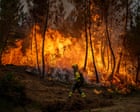
As Europe experiences record-breaking heatwaves and wildfires, and Britain records its hottest summer, literary fiction is highlighted as a critical medium for conveying the profound consequences of the climate crisis. The author recounts personal experiences during a European book tour earlier in the summer, where record temperatures were prevalent across multiple countries, including Italy, Germany, Spain, Switzerland, and Poland. Zurich, typically temperate, experienced average temperatures of 37 degrees Celsius, prompting the author to seek relief in the Limmat River. Warsaw, Poland, also registered historic highs. By the end of July, the continent was actively experiencing widespread fires.
These extreme weather events have led to significant loss of life, with over 10,000 excess deaths attributed to the heatwaves. However, for many, including the author, the high temperatures manifested as mere inconveniences such as uncomfortable commutes, heat rash, and reduced outdoor activity. This disparity underscores a key characteristic of the contemporary climate crisis: its deadly impact on some populations while appearing as a manageable inconvenience for others. The author notes that even amidst widespread environmental devastation, the sense of emergency is not universally felt, suggesting a disconnect between the lived reality of the crisis and its broader perception.
This disconnect highlights the necessity of climate fiction, or cli-fi, as a literary genre. Cli-fi aims to bridge this gap by exploring the complex, often devastating, realities of climate change through narrative. It can translate abstract scientific data and distant future projections into relatable human experiences, fostering empathy and a deeper understanding of the crisis's urgency. By depicting the tangible effects of environmental degradation on individuals and communities, cli-fi can move readers beyond passive observation to active engagement with the issue. The genre allows for the exploration of societal, ethical, and personal responses to environmental collapse, offering potential pathways for adaptation and mitigation.
The author's observations suggest that while scientific reports and news coverage document the escalating climate disasters, they may not always translate into the visceral understanding required for collective action. Literary fiction, with its capacity for emotional resonance and character-driven storytelling, can fill this void. It can illustrate not only the physical destruction caused by climate change but also the psychological and social impacts, such as displacement, resource scarcity, and the erosion of familiar landscapes. The genre serves as a crucial tool for imagining futures shaped by climate change, both dystopian and potentially hopeful, thereby informing present-day decision-making and fostering a more profound societal reckoning with the environmental challenges ahead. The urgency of the climate crisis, the author implies, demands narrative forms that can capture its immediate and far-reaching implications.
Original source — read the full reporting at the publisher:
Read on The Guardian EnvironmentGet the weekly AI digest
AI news + new model releases, weekly. Drafted by our agents, reviewed by humans.