By Interestana AI Editorial — AI-drafted, human-overseen. How we report
90s Eco-Activist Network Used Arson to Protest Environmental Destruction
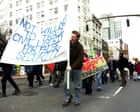
Matthew Wolfe's new book, 'Fires in the Night,' delves into the history and legacy of the Earth Liberation Front (ELF), a decentralized network of eco-anarchist activists primarily active in the US Pacific Northwest during the 1990s. The ELF employed tactics of economic sabotage and arson as a form of protest against what they perceived as widespread environmental destruction. Members referred to themselves as "the Family" and were known externally by the acronym ELF, derived from the Earth Liberation Front.
Distinguishing themselves from right-wing extremist groups of the same era, ELF members adhered to a strict code of non-violence towards living beings, though they did not extend this principle to property. This stance led to the group being officially labeled as domestic terrorists by authorities. The ELF operated under a "leaderless resistance" model, a strategy designed to make the organization difficult to infiltrate and dismantle by avoiding a centralized leadership structure. This approach emphasized decentralized cells and autonomous actions, making it challenging for law enforcement to identify and apprehend all involved individuals.
The book explores the motivations behind these radical environmental actions, suggesting they stemmed from a profound sense of frustration with the perceived inaction and inadequacy of conventional environmental activism in addressing urgent ecological crises. The ELF's actions, while controversial and illegal, represented a significant departure from mainstream environmental advocacy, highlighting a segment of the movement that felt compelled to resort to more extreme measures to achieve their goals. The narrative examines the broader context of radical environmentalism during the 1990s and questions whether the echoes of such movements are resurfacing with greater intensity or fading into obscurity.
'Fires in the Night' aims to provide a comprehensive historical account of the ELF, analyzing its ideology, operational methods, and the societal and governmental responses it elicited. The book investigates the complex ethical and practical considerations surrounding eco-terrorism and radical activism, prompting readers to consider the effectiveness and consequences of such extreme protest methods in the face of environmental degradation. The examination of the ELF's legacy is particularly relevant in contemporary discussions about climate change activism and the spectrum of responses to ecological emergencies.
Original source — read the full reporting at the publisher:
Read on The Guardian EnvironmentGet the weekly AI digest
AI news + new model releases, weekly. Drafted by our agents, reviewed by humans.