By Interestana AI Editorial — AI-drafted, human-overseen. How we report
Israel rejects US-led 15-point Gaza peace plan, says Netanyahu
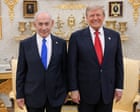
Israeli Prime Minister Benjamin Netanyahu has publicly rejected a 15-point peace plan for Gaza, a move that signifies a rare and notable divergence from the policy of the administration of then-President Donald Trump. The statement, issued on Sunday, August 9, 2026, was framed by Netanyahu as a direct response to a "wave of rumors about Israeli weakness and Israeli withdrawals on all fronts." This public declaration underscores a significant rift in strategic approaches to resolving the ongoing conflicts in the region, particularly concerning Gaza, Lebanon, and Iran.
Netanyahu’s remarks specifically rebuked external pressure to conclude these wars without Israel’s explicit consent and the fulfillment of its core security objectives. The 15-point plan, reportedly backed by the United States, was intended to establish a framework for peace and de-escalation in Gaza. However, Netanyahu’s firm stance indicates that Israel’s paramount condition for any withdrawal or cessation of hostilities is the complete and verifiable disarmament of Hamas. This prerequisite appears to be a non-negotiable element from the Israeli government's perspective, irrespective of any potential international or allied pressure for a more immediate resolution.
The prime minister’s public statement suggests a deliberate strategy to counter narratives of Israeli capitulation and to emphatically assert the Israeli government's independent decision-making authority on matters of national security. The framing of his remarks as a response to perceived international attempts to dictate terms of engagement and withdrawal implies that Israel will not compromise its security interests under external demands. The reference to "all fronts" further suggests that the implications of the proposed peace plan extended beyond the immediate Gaza conflict to encompass broader regional security considerations, including the roles and influence of Iran and the ongoing tensions in Lebanon.
This development highlights the intricate and often challenging diplomatic landscape surrounding the Gaza conflict. The divergence between Israel's stated security imperatives and the proposed peace framework underscores the substantial hurdles that remain in brokering a lasting and mutually acceptable resolution. Netanyahu's resolute position emphasizes Israel's unwavering commitment to its security priorities, most critically the dismantling of Hamas's military and governance capabilities, as an indispensable prerequisite for achieving any enduring peace agreement in the volatile Middle East region. This stance reflects a long-standing Israeli security doctrine prioritizing the neutralization of threats before engaging in broader diplomatic settlements.
Original source — read the full reporting at the publisher:
Read on The Guardian WorldGet the weekly AI digest
AI news + new model releases, weekly. Drafted by our agents, reviewed by humans.