By Interestana AI Editorial — AI-drafted, human-overseen. How we report
Israel Faces Deep Internal Divisions
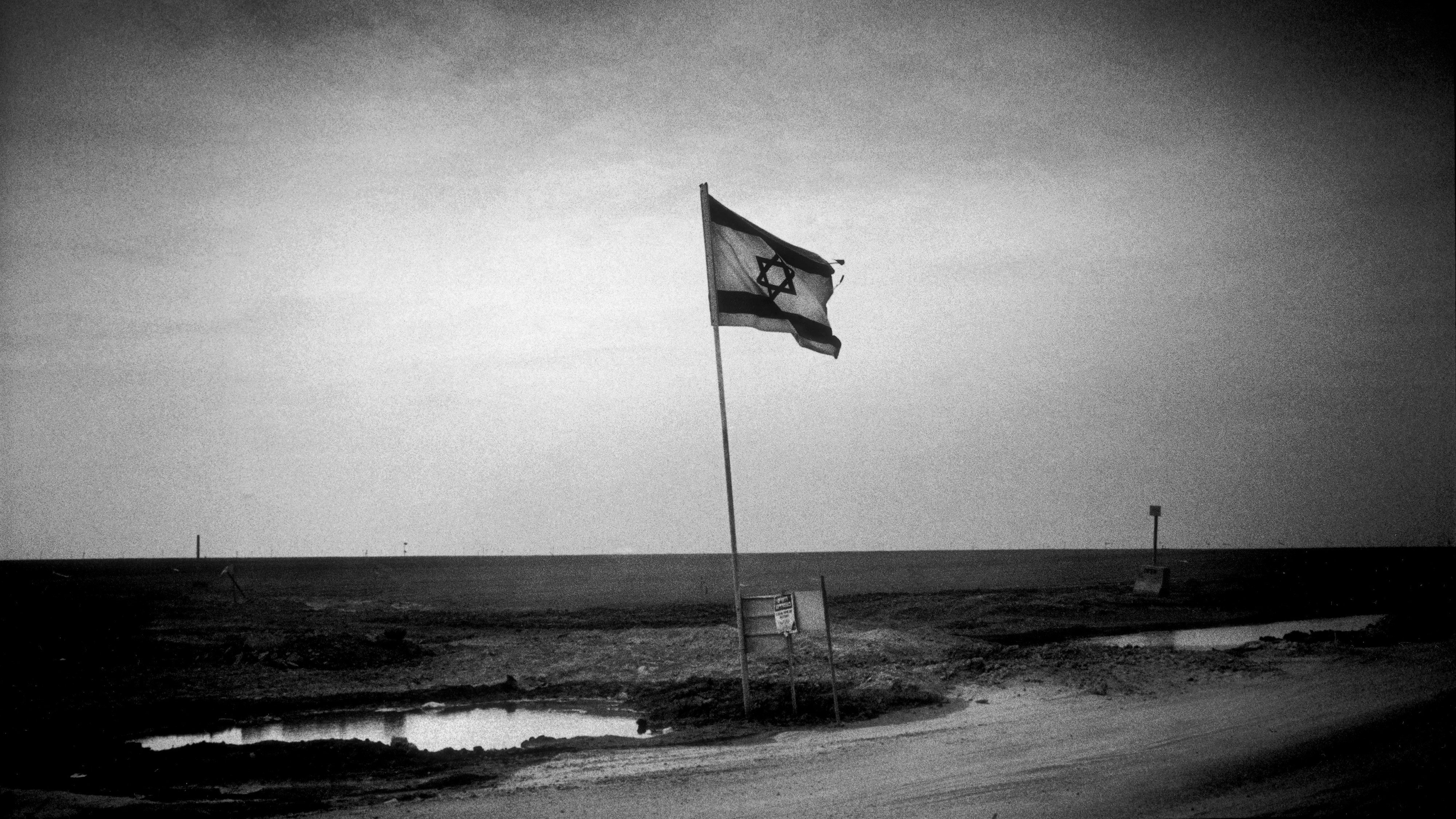
Israel is grappling with profound and persistent internal divisions between its secular and religious populations, a challenge that poses a greater threat to the nation's stability and future than any external adversary. These intractable divides, rooted in differing values, lifestyles, and interpretations of national identity, have been exacerbated by recent political developments and societal shifts. The secular majority, primarily concentrated in urban centers, often views the growing influence of religious parties and communities with concern, particularly regarding issues of civil rights, military conscription, and the allocation of public resources. Conversely, many within the ultra-Orthodox and national-religious sectors feel their traditional way of life and religious observance are under pressure from secularizing trends and government policies.
The demographic trends indicate a rising proportion of the population identifying with religious or ultra-Orthodox streams. This demographic shift has translated into increased political power for religious parties, which often form crucial coalition partners in Israeli governments. Their demands frequently include greater state funding for religious institutions and schools, exemptions from mandatory military service for yeshiva students, and the preservation of religious law in various aspects of public life. These demands often clash with the secular public's desire for a more egalitarian society, separation of religion and state, and universal civic obligations.
Key areas of contention include the exemption of Haredi (ultra-Orthodox) men from military service, a long-standing issue that fuels resentment among secular Israelis who bear the brunt of national security responsibilities. Debates over public transportation on the Sabbath, the role of religious courts in civil matters, and the curriculum in state-funded religious schools further highlight the deep societal fissures. The secular population often advocates for a more pluralistic society where diverse lifestyles can coexist, while some religious factions seek to maintain and expand the influence of religious tradition in public life.
This internal conflict is not merely a matter of cultural or religious differences; it has significant implications for Israel's social cohesion, economic productivity, and long-term national resilience. The ongoing tension diverts attention and resources from addressing external threats and can undermine the sense of shared national purpose. Without a concerted effort to bridge these divides and find common ground, the internal reckoning Israel faces could prove more destabilizing than any geopolitical challenge, impacting its identity as a modern, democratic state and its ability to navigate the complexities of the region.
Original source — read the full reporting at the publisher:
Read on The AtlanticGet the weekly AI digest
AI news + new model releases, weekly. Drafted by our agents, reviewed by humans.