By Interestana AI Editorial — AI-drafted, human-overseen. How we report
Isaias Strengthens to Become First Atlantic Hurricane of 2026 Season Amidst Unusually Quiet Period
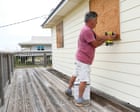
Isaias has officially become the first Atlantic hurricane of the 2026 season, reaching sustained wind speeds of 80 mph and a minimum central pressure of 975 millibars. The National Oceanic and Atmospheric Administration (NOAA), a United States government agency responsible for atmospheric and oceanic conditions, is closely monitoring the storm. Forecasters at NOAA predict that Isaias will likely strengthen further, potentially reaching Category 2 intensity, before making landfall on the US's northern Gulf coast by Friday. This development comes after a remarkably quiet Atlantic hurricane season, a rarity attributed to the influence of a strong El Niño event currently underway. El Niño, a climate pattern characterized by warmer-than-average sea surface temperatures in the central and eastern tropical Pacific Ocean, typically leads to increased wind shear across the Atlantic basin. This increased wind shear disrupts the formation and intensification of tropical cyclones, thus suppressing hurricane activity.
The late formation of the season's first hurricane is historically significant. The last time the first hurricane of the Atlantic season did not form until after October 8 was in 1905. This historical benchmark predates the satellite era, which began in the 1960s. The advent of satellite technology has revolutionized hurricane tracking, allowing for more accurate monitoring and detection of storms, including those that may not make landfall. The current situation with Isaias highlights the dynamic nature of hurricane seasons and the significant impact of large-scale climate oscillations.
As Isaias approaches the US northern Gulf coast, it poses a significant threat of hazardous weather conditions. These include the risk of dangerous flash floods, which can occur rapidly due to intense rainfall, and isolated river flooding, where swollen rivers may overflow their banks. Residents in the projected path are urged by meteorological agencies to remain vigilant, stay informed about the latest weather advisories, and undertake necessary preparations for potential impacts. The NOAA's National Hurricane Center, a division of NOAA, is actively providing real-time information and guidance to affected regions, emphasizing the importance of preparedness in coastal communities. The evolution of Isaias will continue to be closely observed as it moves towards the mainland United States, underscoring the ongoing need for vigilance even during periods of otherwise subdued storm activity.
Original source — read the full reporting at the publisher:
Read on The Guardian WorldGet the weekly AI digest
AI news + new model releases, weekly. Drafted by our agents, reviewed by humans.