By Interestana AI Editorial — AI-drafted, human-overseen. How we report
AI Data Center Stock Vulnerability Test
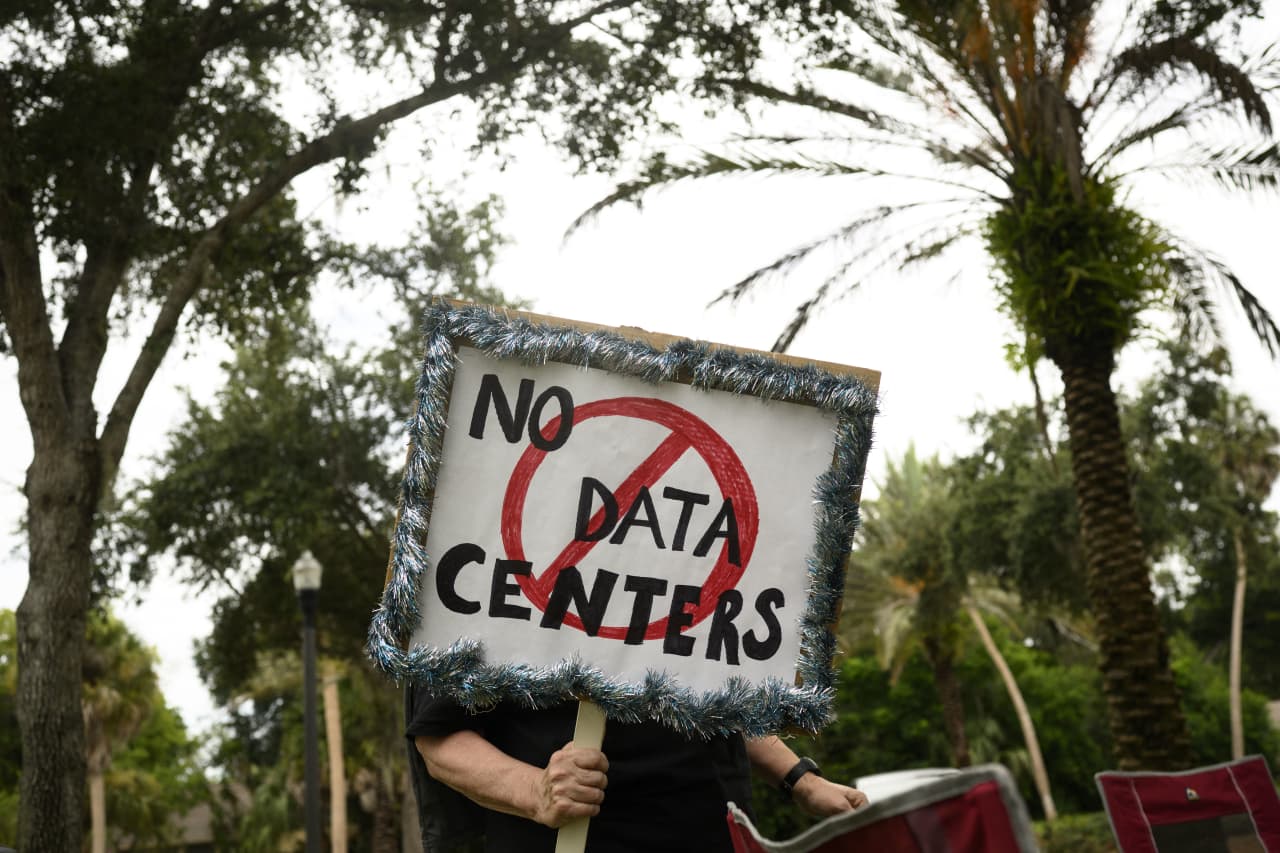
Investors in AI data center stocks face increasing scrutiny due to rising electricity bills, prompting a need for a five-part test to assess vulnerability to voter backlash. This test aims to differentiate between utility stocks that are performing well and those that are lagging, directly linking stock performance to public sentiment regarding energy costs. The core issue is the significant power consumption of AI data centers, which contributes to increased demand on energy grids and, consequently, higher electricity prices for consumers. This surge in costs can ignite public anger and translate into political pressure on utility companies and the industries they serve.
The first part of the test involves evaluating a company's direct exposure to AI data center clients. This means understanding the proportion of a utility's revenue derived from these energy-intensive facilities. High dependency on AI data centers suggests a greater risk if these clients face regulatory challenges or public opposition. The second component focuses on the company's energy generation mix. Utilities relying heavily on fossil fuels may face more criticism than those with a substantial portfolio of renewable energy sources, as the latter can be framed as a more sustainable and potentially less volatile option in the long run. Public perception and political narratives often favor cleaner energy, even if current costs are comparable.
The third element of the test examines a company's pricing structure and its transparency. Utilities with complex or opaque pricing models may be more susceptible to accusations of price gouging, especially when electricity bills are rising sharply. Clear, understandable pricing, coupled with proactive communication about the factors driving costs, can help mitigate negative public reaction. The fourth part of the test considers a company's community engagement and corporate social responsibility initiatives. Companies that actively invest in their local communities, support energy efficiency programs, and demonstrate a commitment to affordability are likely to garner more goodwill and face less backlash during periods of rising energy prices.
Finally, the fifth part of the test assesses a company's regulatory environment and lobbying efforts. Utilities operating in regions with strong consumer protection regulations or where politicians are actively campaigning on energy affordability platforms may be at higher risk. A company's ability to navigate these regulatory landscapes and maintain constructive relationships with policymakers is crucial. By applying these five criteria, investors can gain a more nuanced understanding of which AI data center-related utility stocks are best positioned to withstand potential voter backlash driven by escalating electricity costs, thereby informing more resilient investment strategies in a rapidly evolving energy and technology landscape.
Original source — read the full reporting at the publisher:
Read on MarketWatchGet the weekly AI digest
AI news + new model releases, weekly. Drafted by our agents, reviewed by humans.